Lemon Tea Cookies
Lemon Tea Cookies
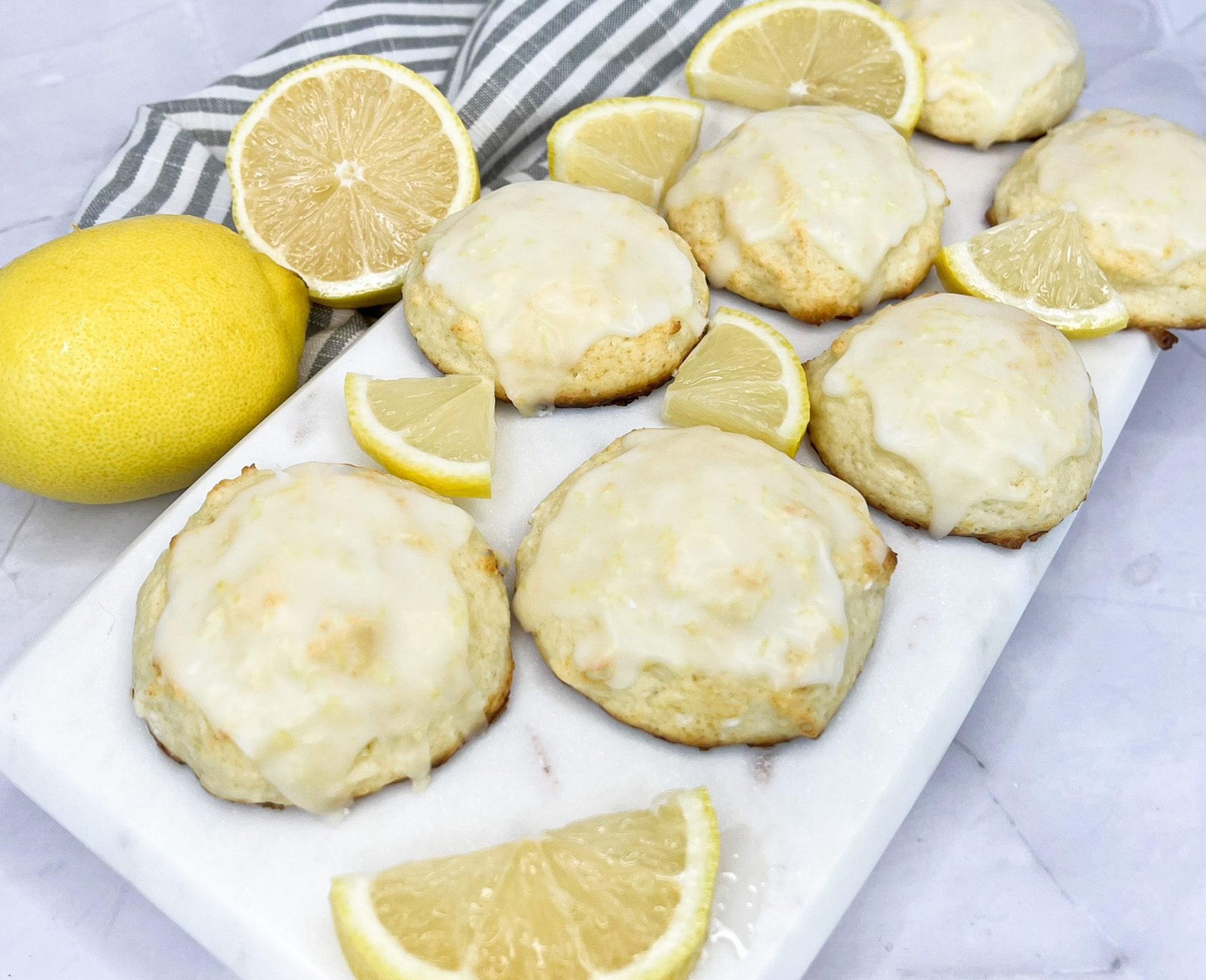
These soft, citrusy Lemon Tea Cookies are bursting with bright lemon flavor and have a melt-in-your-mouth texture, thanks to the creamy richness of Daisy Cottage Cheese. Each bite is a delightful mix of tangy, sweet, and tender crumb — finished with a zesty lemon glaze that adds the perfect punch of flavor. And the best part? They come together in just 15 minutes!
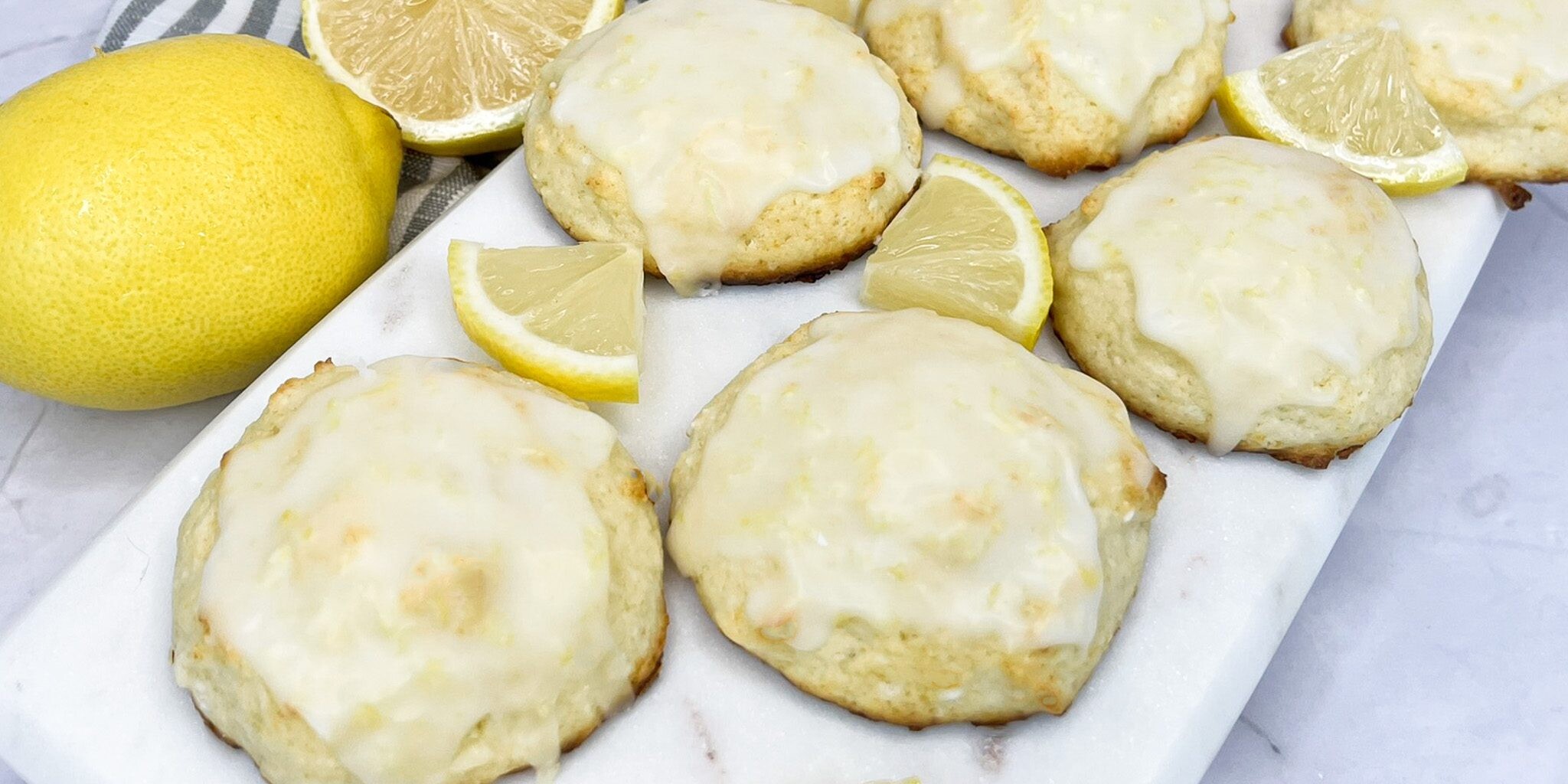
These to-die-for cookies are perfect for summer snacking, after-school treats, or year-round tea time. Pair them with a warm cup of tea or a cold glass of milk for a little moment of joy any time of day.
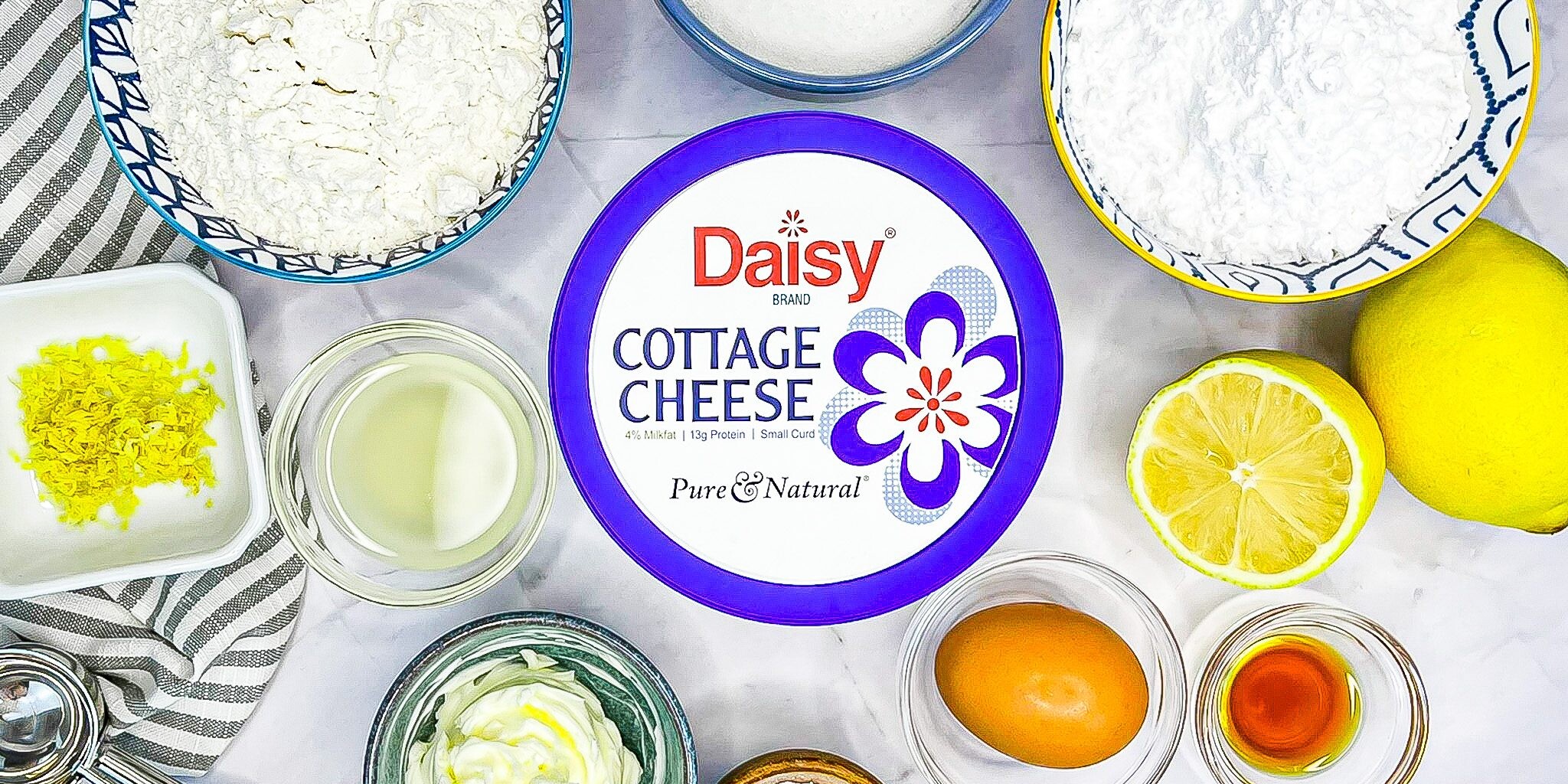
Lemon Tea Cookie Ingredients
- All-Purpose Flour (1 ¼ cups): The gluten in all-purpose flour gives the cookies structure.
- Baking Powder (3/4 teaspoon): A main ingredient for leavening, it adds volume and lightness to the batter and adds height to the cookies.
- Unsalted Butter (4 tablespoons, softened): Lends flavor and richness to the cookies.
- Sugar (1 cup): Adds sweetness to the cookies.
- Egg (1 large): Acts as glue to hold the other ingredients together and adds a bit of height to the cookies.
- Daisy Cottage Cheese (1 cup, blended): The star ingredient that gives the cookies their name. It provides moistness and richness to the cookies, plus a bit of protein.
- Lemon (1 large, zested and juiced): Delivers the fresh, concentrated, tart, zesty citrus flavor to the cookies and the glaze.
- Vanilla Extract (1 teaspoon): An essential ingredient in many desserts, it enhances the flavor of the cookies.
- Powdered Sugar (3/4 cups): Finely ground sugar with no hint of graininess, it is the perfect sugar for making the glaze for the cookies.
Substitutions, Variations, and Tips
- Bring all ingredients to room temperature for best results.
- Swap lemon for lime or orange zest and juice for a fun twist.
- When measuring flour, spoon it into the cup and level it off — avoid scooping directly from the bag, which can pack the flour and lead to dry cookies.
- Don’t overmix the dough — too much mixing develops gluten, making cookies dense.
- Want a thicker glaze? Wait until cookies are fully cooled. Add extra powdered sugar for more thickness, or thin with ½ teaspoon water at a time.
- Store cookies in an airtight container to keep them fresh.
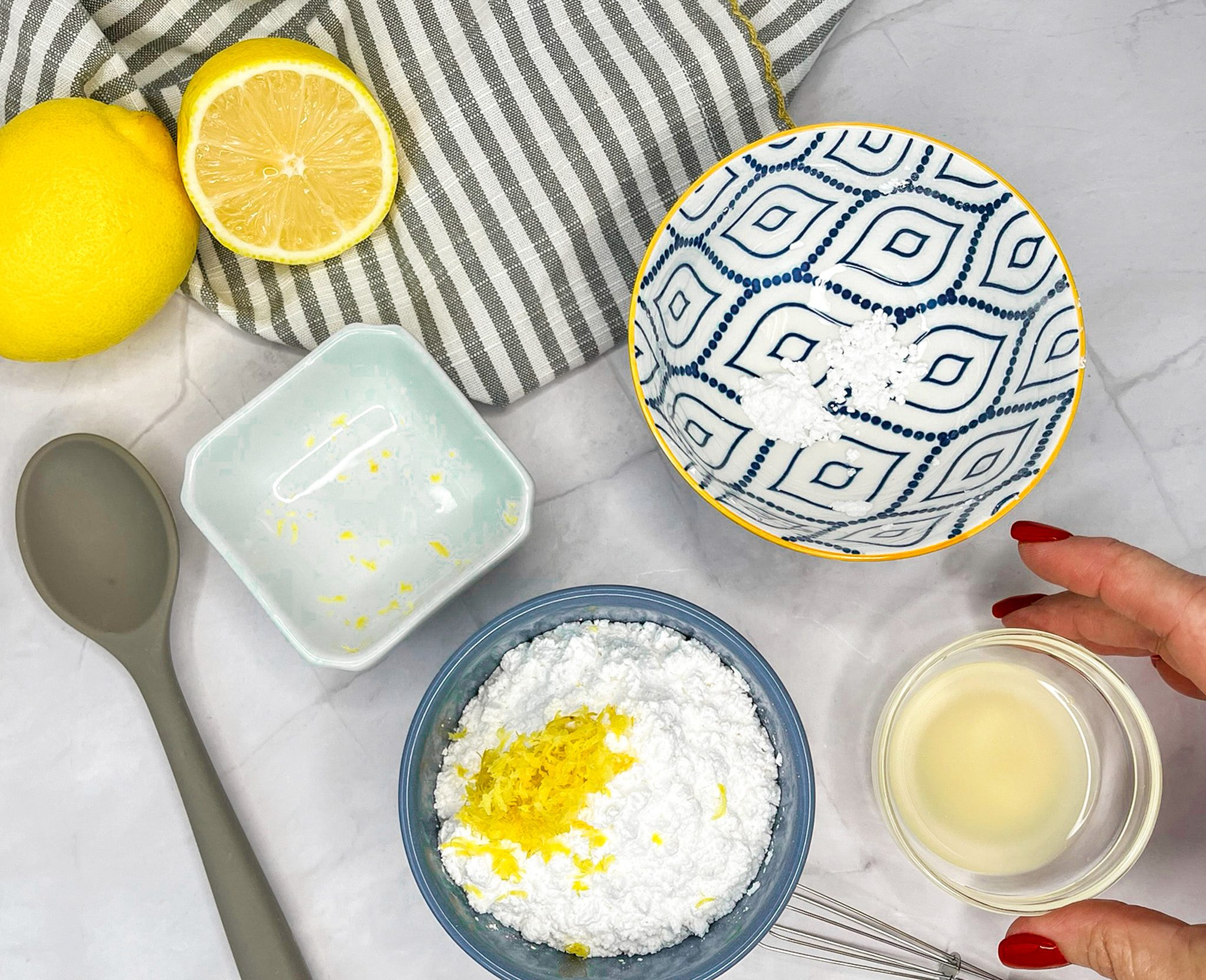
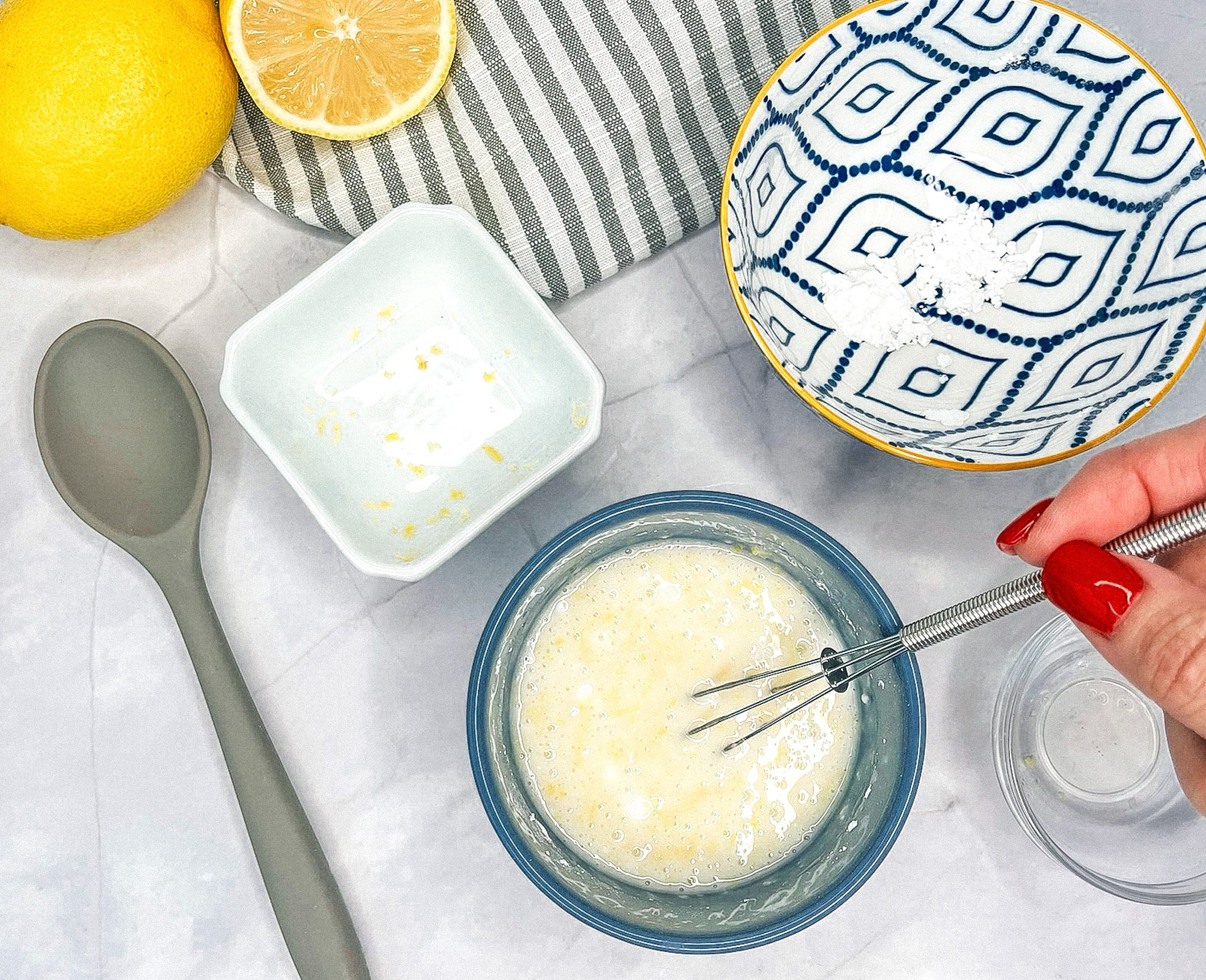
How to Make Lemon Tea Cookies
- Preheat oven to 375°F. Line baking sheets with parchment paper.
- In a bowl, mix the flour and baking powder. Set aside.
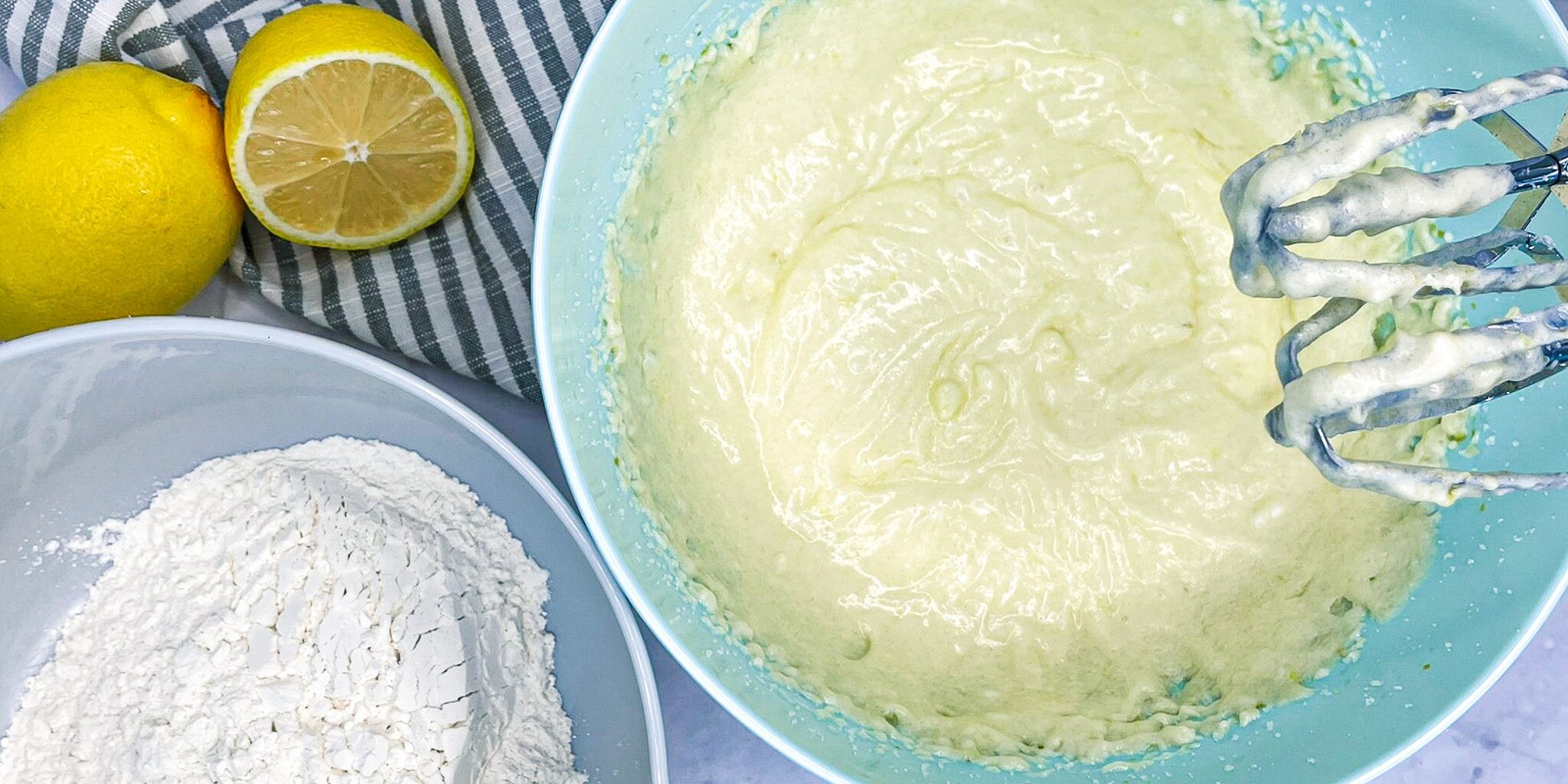
- Using an electric mixer, beat butter and sugar until light and fluffy (about 3 minutes). Add egg and mix until fully incorporated.
- Add blended Daisy Cottage Cheese, half the lemon zest, half the lemon juice, and vanilla extract. Mix well.
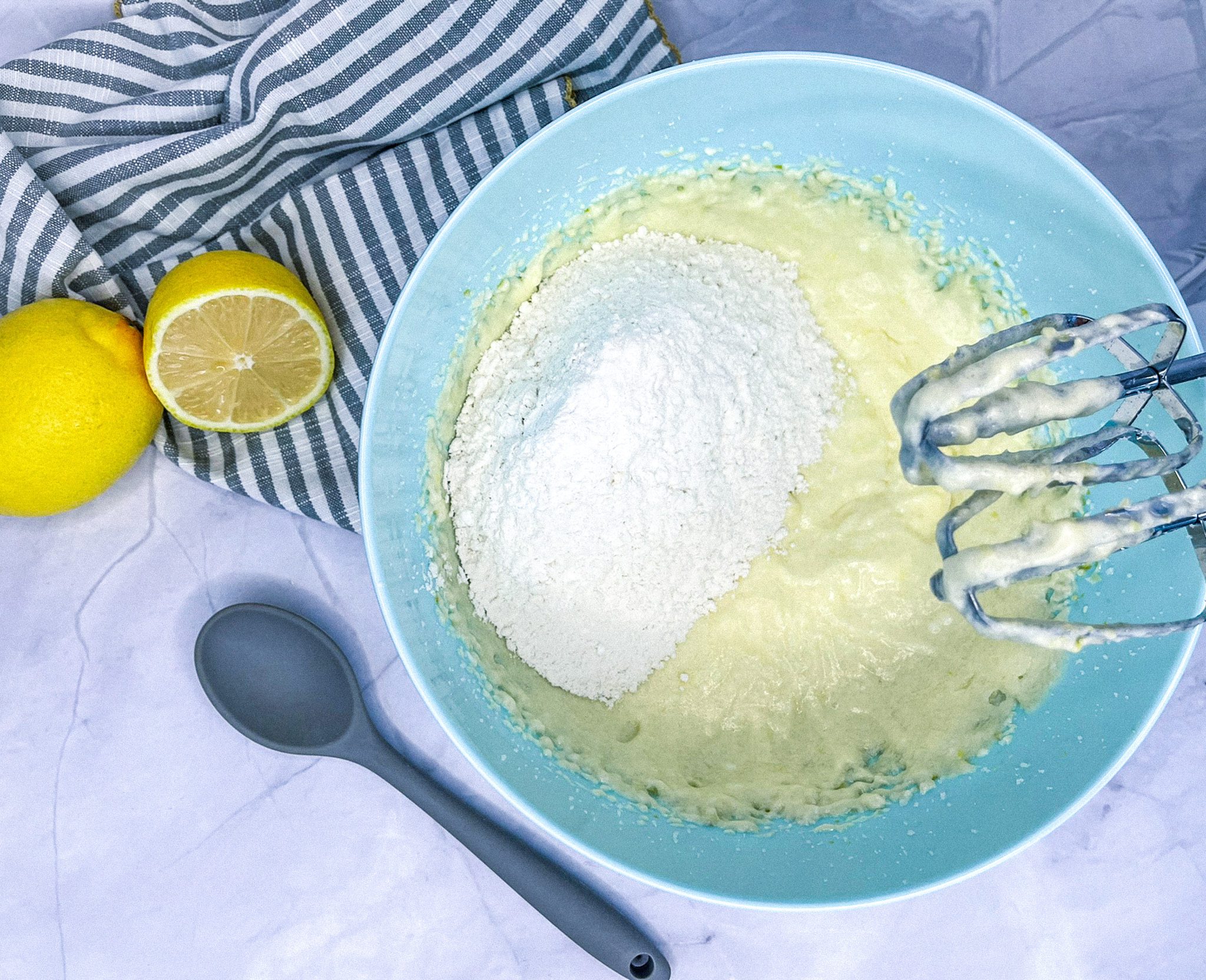
- Stir in dry ingredients until just combined.
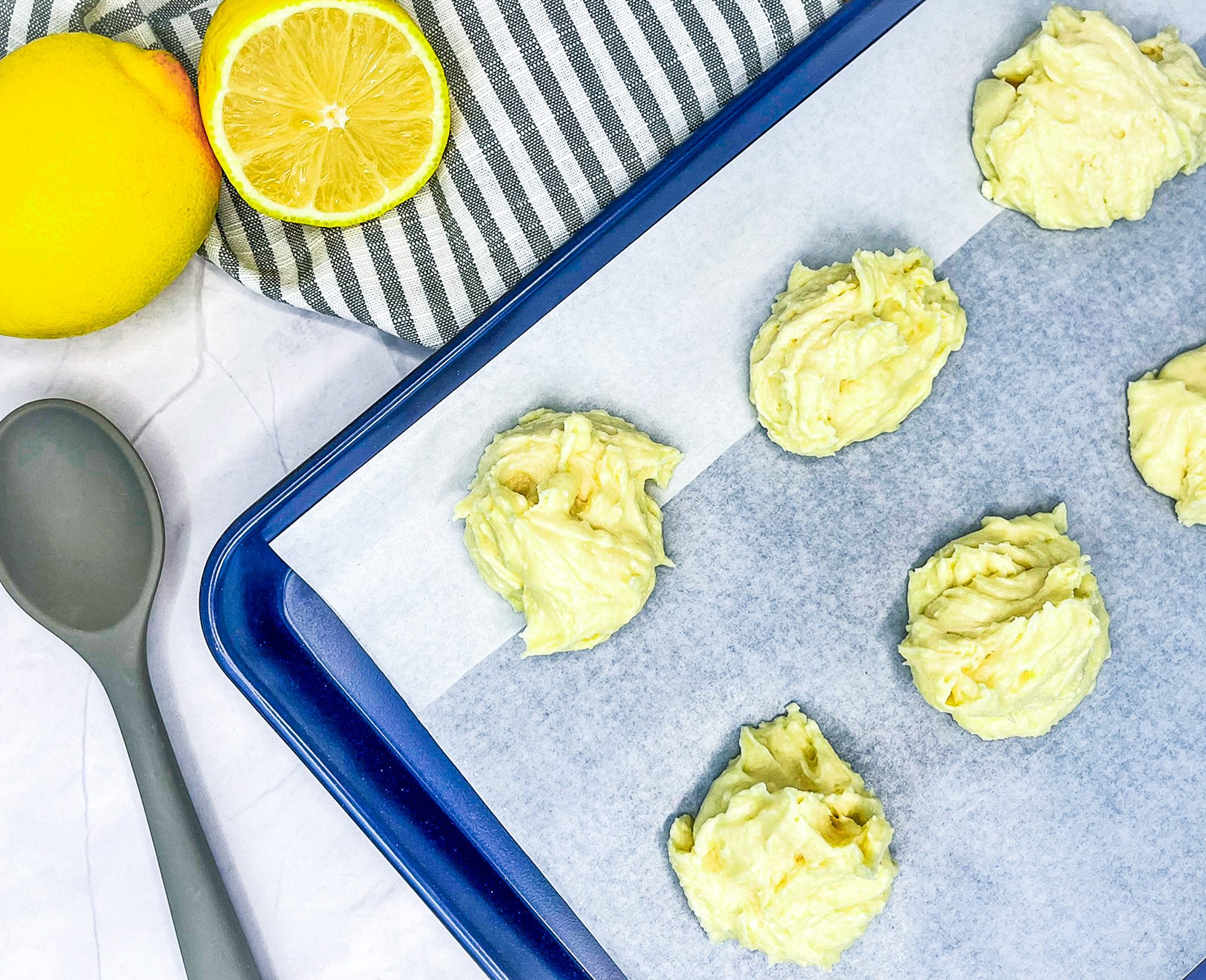
- Scoop about 2 tablespoons of dough for each cookie onto prepared baking sheets. Bake for 15 minutes, until edges are slightly golden. Let cookies rest on the baking sheet for 20 minutes.
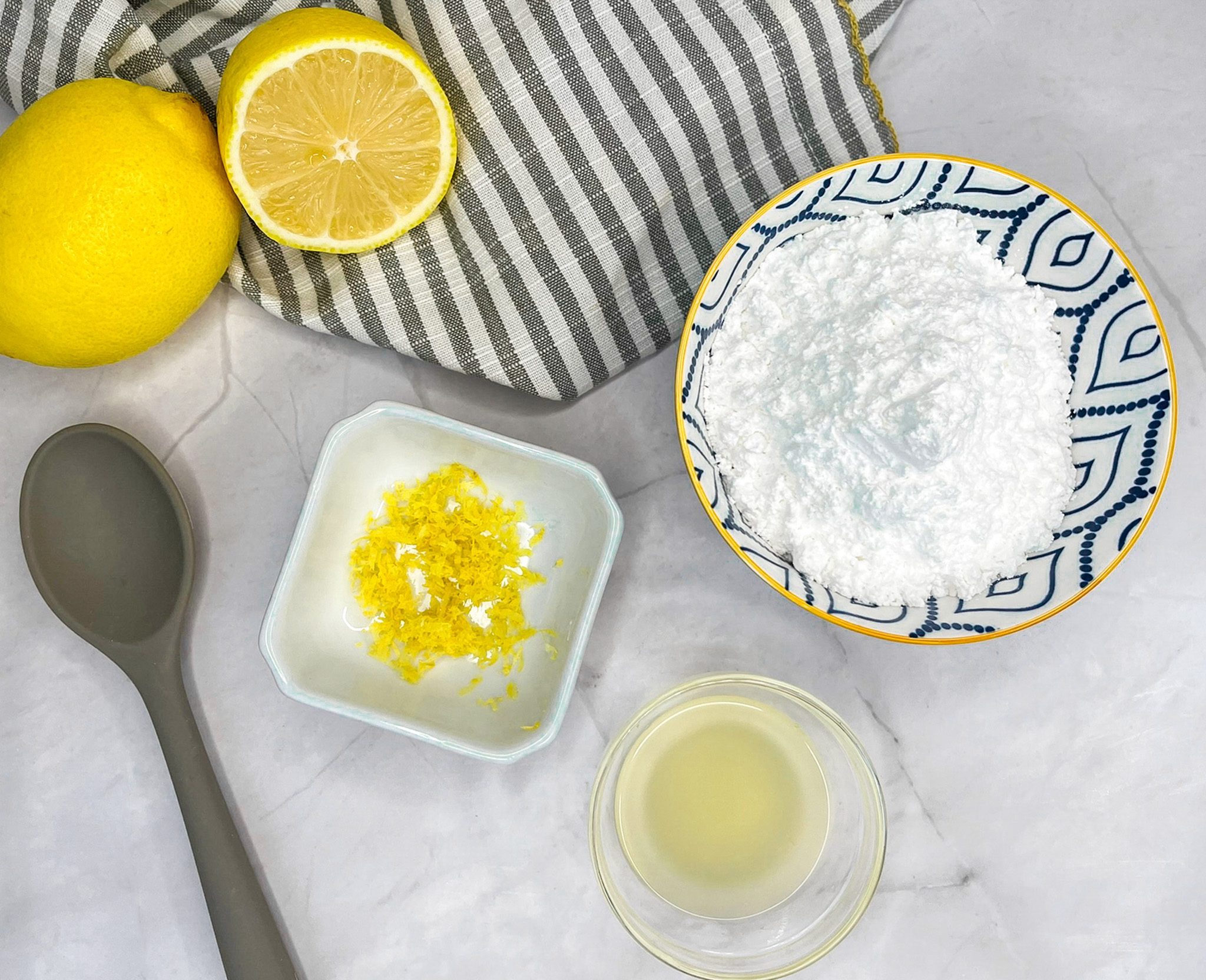
- Meanwhile, make the glaze: mix powdered sugar with remaining lemon zest and juice. Stir until smooth. Spoon about ½ teaspoon of glaze onto each cookie and gently spread to the edges.
- Let glaze set for about 2 hours before serving.



Gluten-Free Peanut Butter Cookies
Gluten-Free Peanut Butter Cookies
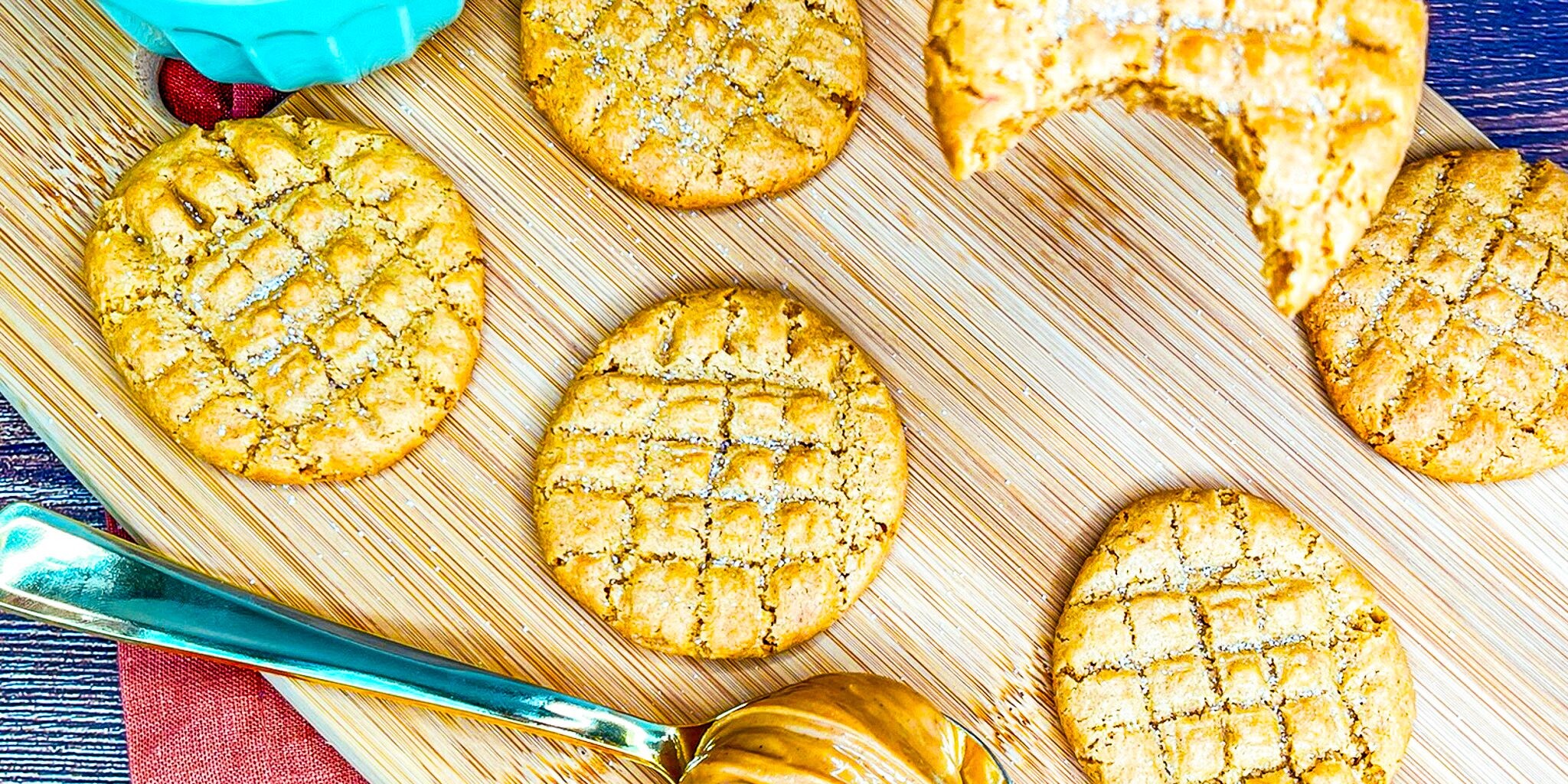
Chewy, rich peanut butter goodness? Yes, please! These Gluten-Free Peanut Butter Cookies are so craveable that you won’t be able to eat just one. Ready in just 20 minutes, chewy, peanut buttery perfection is only moments away. Enjoy with a cold glass of milk today!
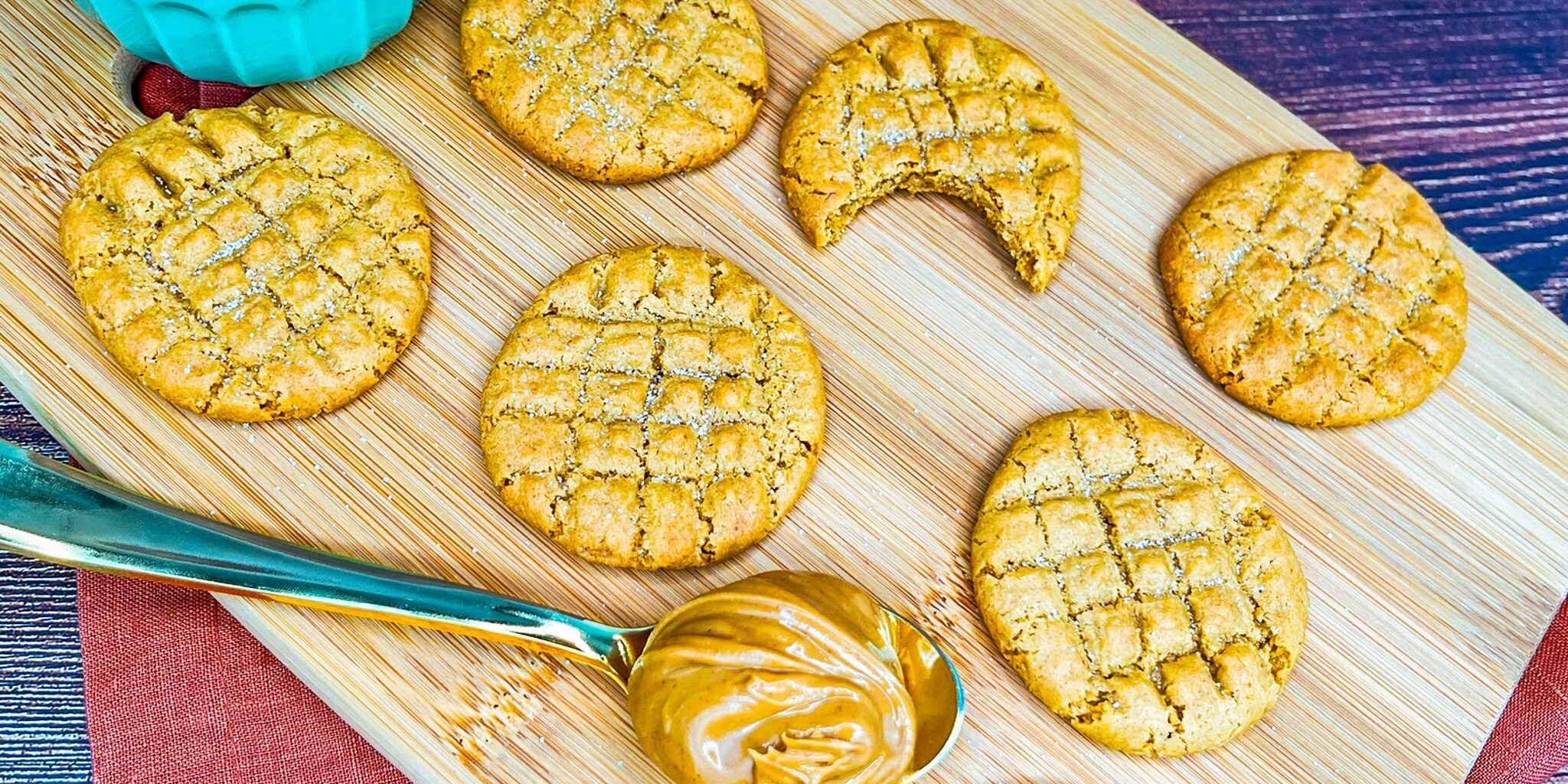
Packed with peanut butter flavor and added protein from blended cottage cheese, these cookies contain only five ingredients and are perfect for those with dietary restrictions. They’re healthier than many traditional cookies thanks to the nutritional value of both the cottage cheese and the peanut butter — yet they still taste like they came straight from a decadent bakery.
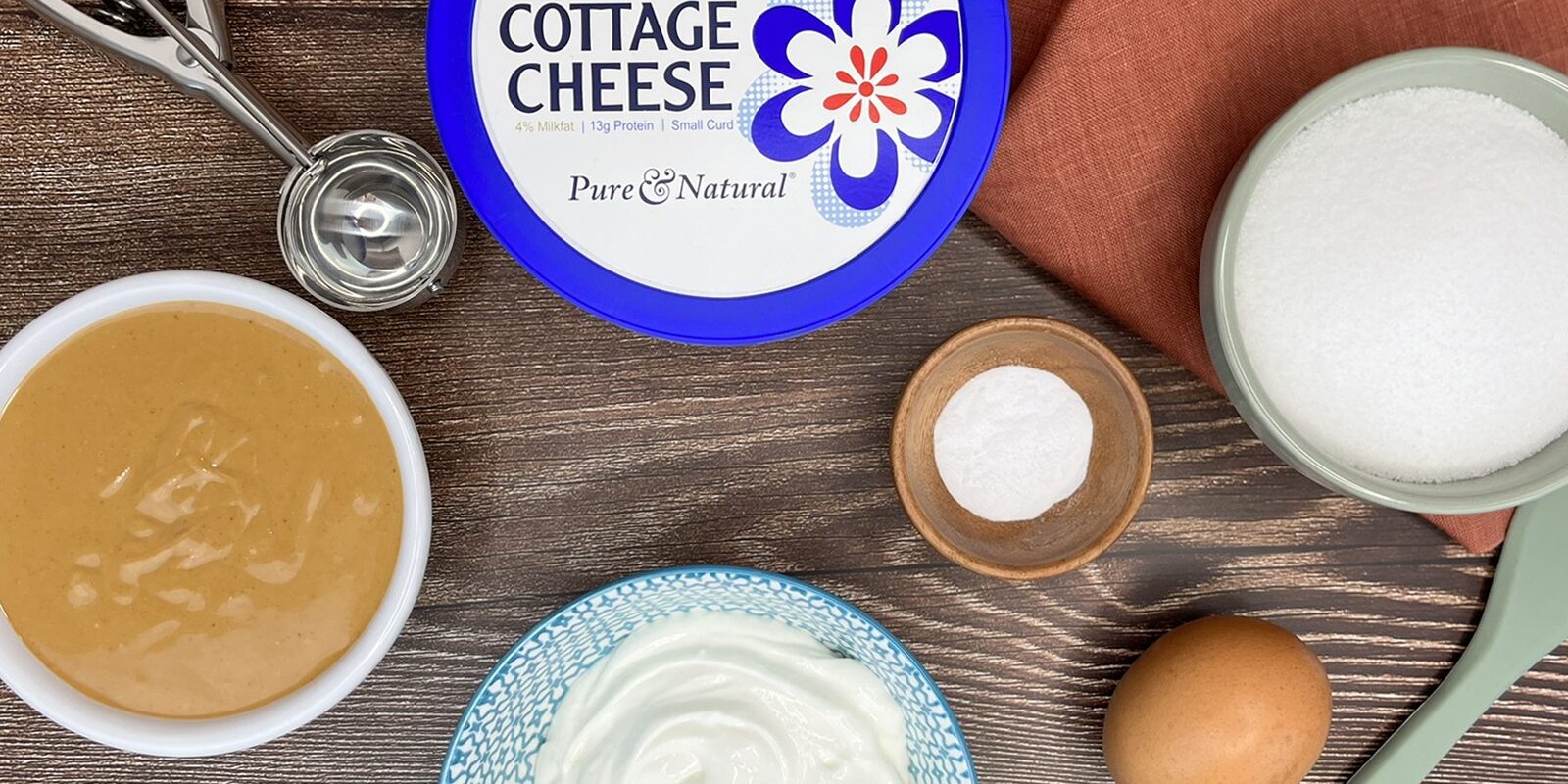
Gluten-Free Peanut Butter Cookie Ingredients
- Peanut Butter (1 cup): Provides flavor and structure. Combined with the other ingredients, it creates chewy cookies.
- Sugar (1 cup): Adds sweetness to the cookies.
- Egg (1 large, beaten): Acts as a binder, helping hold the ingredients together. It also adds structure and a bit of lift.
- Daisy Cottage Cheese (1/2 cup): Adds moistness, richness, and protein to the cookies.
- Baking Soda (1 teaspoon): The primary leavening agent; it adds volume and height to the cookies.
Substitutions, Variations, and Tips
- For best results, bring all ingredients to room temperature before mixing, and use high-quality ingredients.
- Both creamy and crunchy peanut butter work well in this recipe.
- Other nut butters (like almond or cashew butter) may be used in place of peanut butter.
- Customize your cookies by adding mix-ins such as chocolate chips or peanut butter candies.
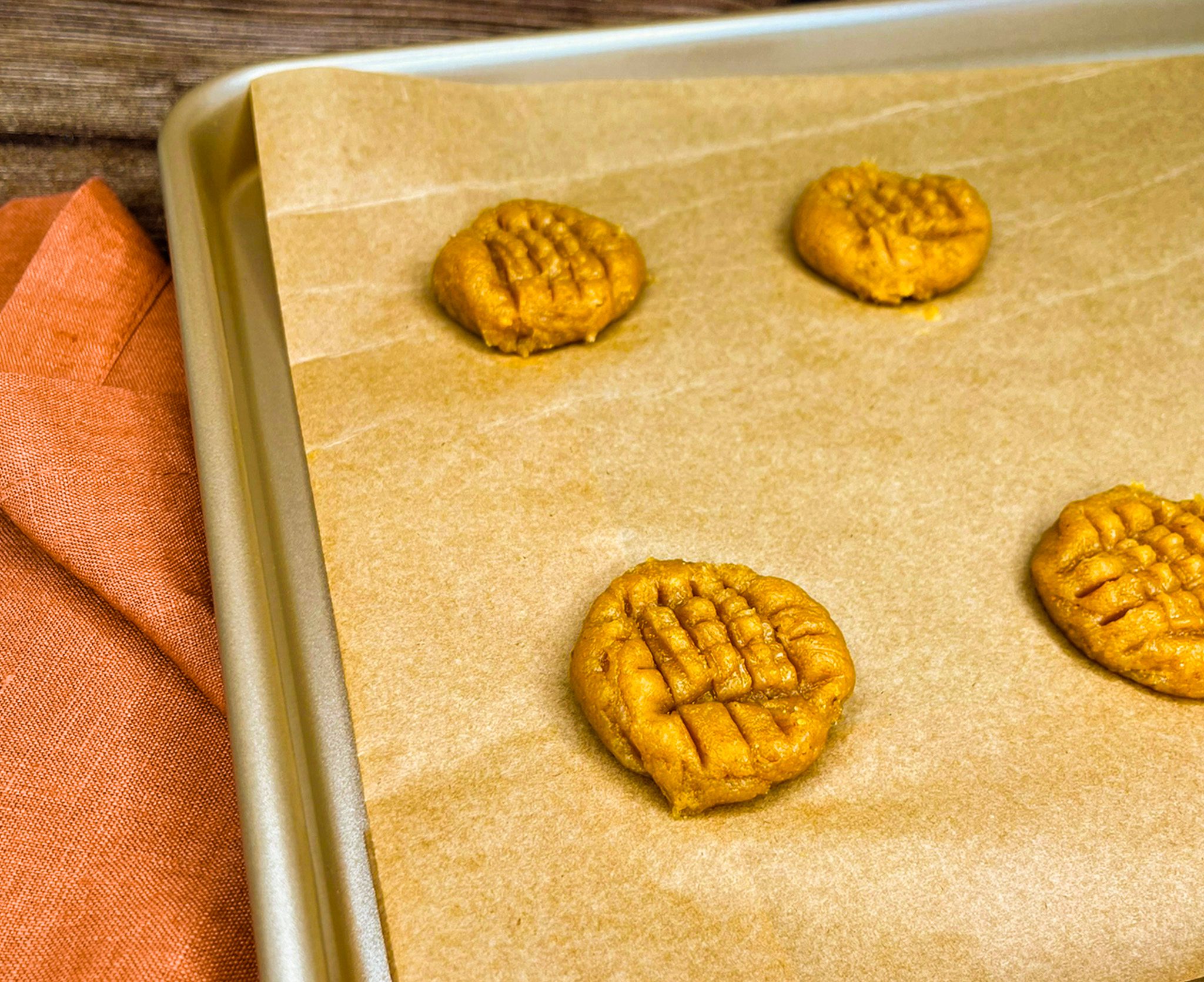
- To create the iconic crisscross pattern, use a cold fork to gently press down on the dough balls before baking.
- For an extra-special touch, sprinkle coarse sugar on top after making the crisscross pattern.
- For a flavor twist, roll dough balls in a cinnamon-sugar mixture before baking. To make the mixture, combine ½ cup sugar and 2 tablespoons cinnamon. Store any leftovers in an airtight container.
- Store baked cookies in an airtight container for up to five days.
- To freeze, roll dough into balls and flash-freeze on a baking sheet. Then transfer to a zip-top bag with as much air removed as possible. Freeze for up to six months. Thaw in the refrigerator or bake from frozen — just follow the recipe’s baking directions.
How to Make Gluten-Free Peanut Butter Cookies
- Preheat oven to 350°F. Line baking sheets with parchment paper.
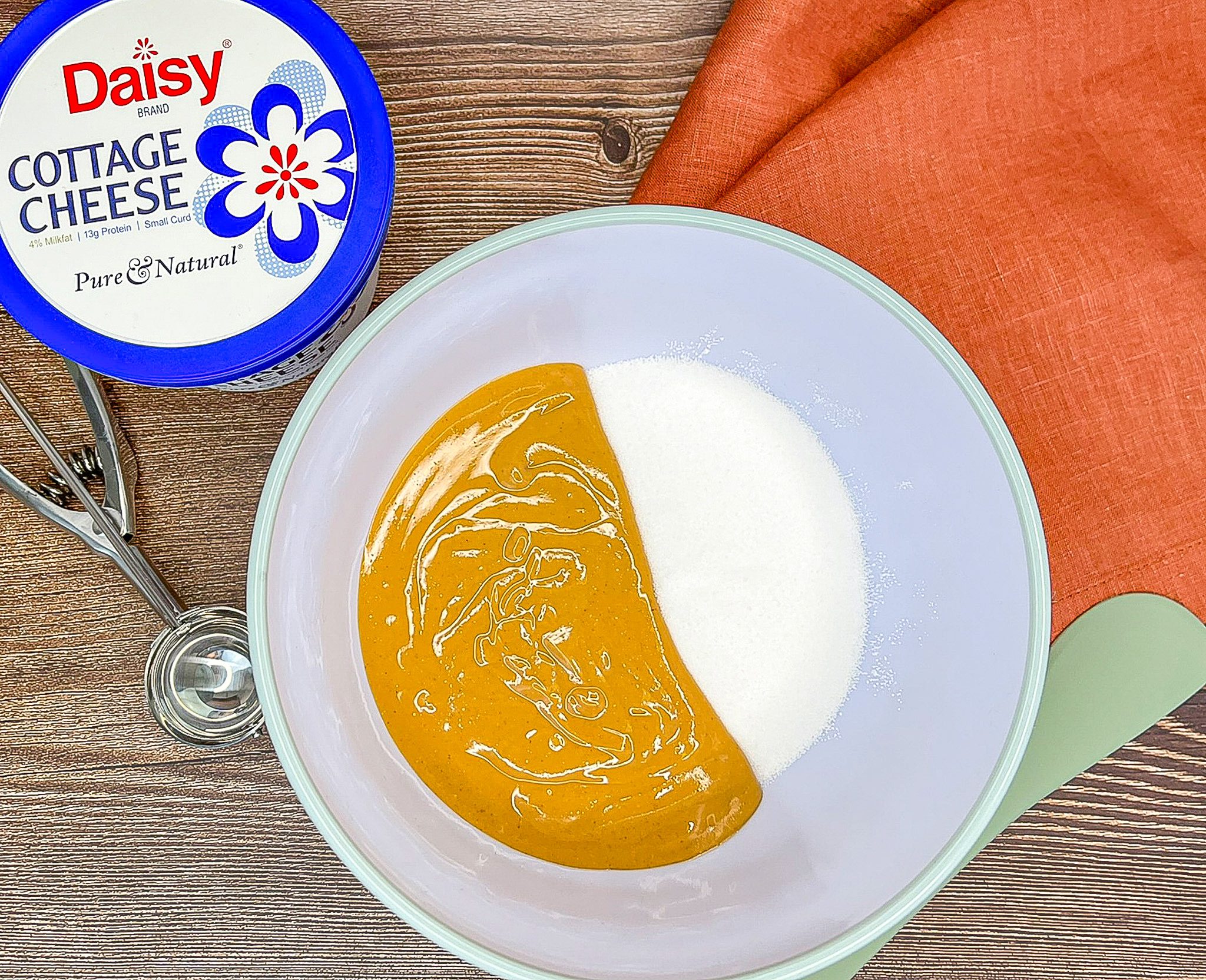
- Beat peanut butter and sugar together with an electric mixer until smooth.
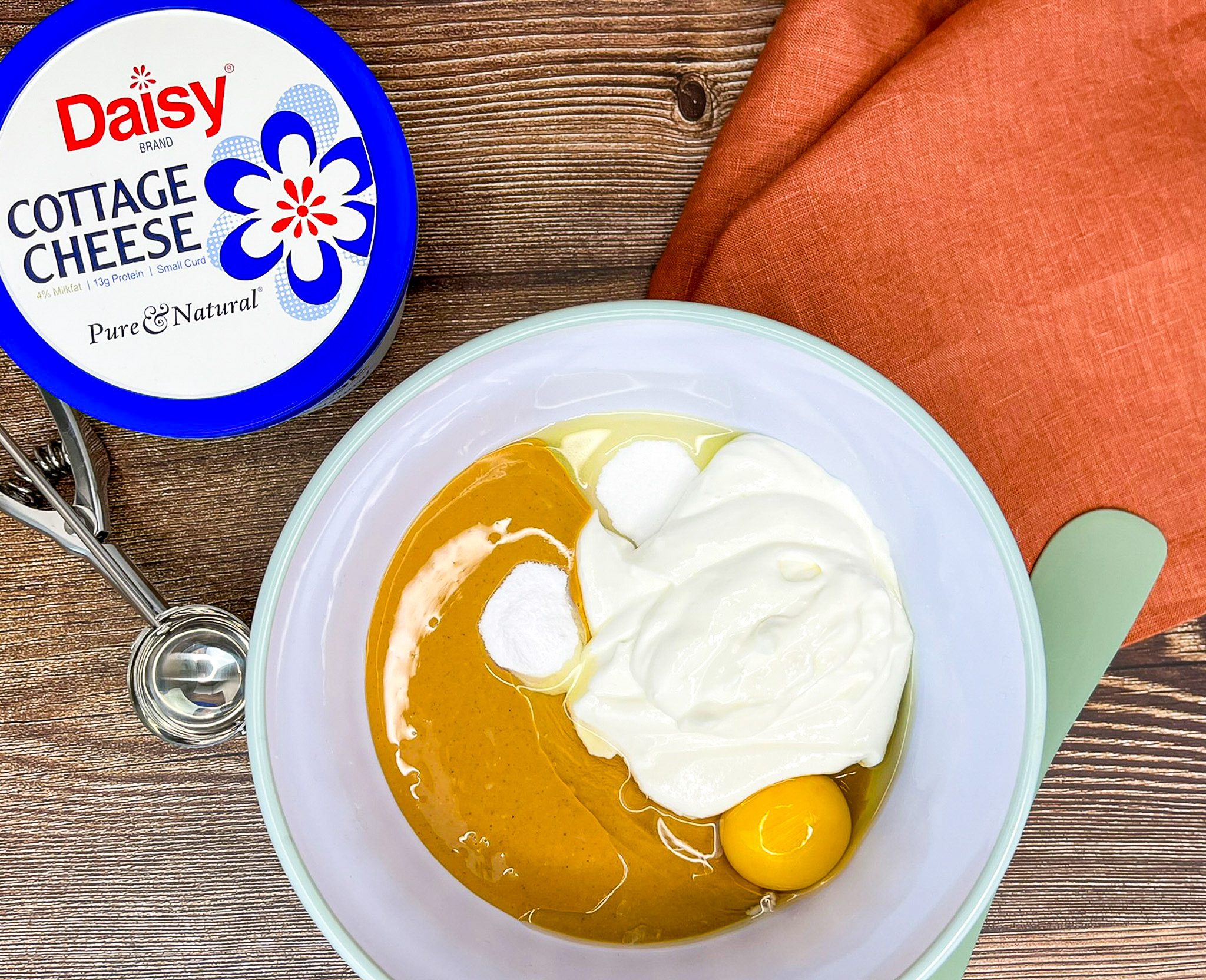
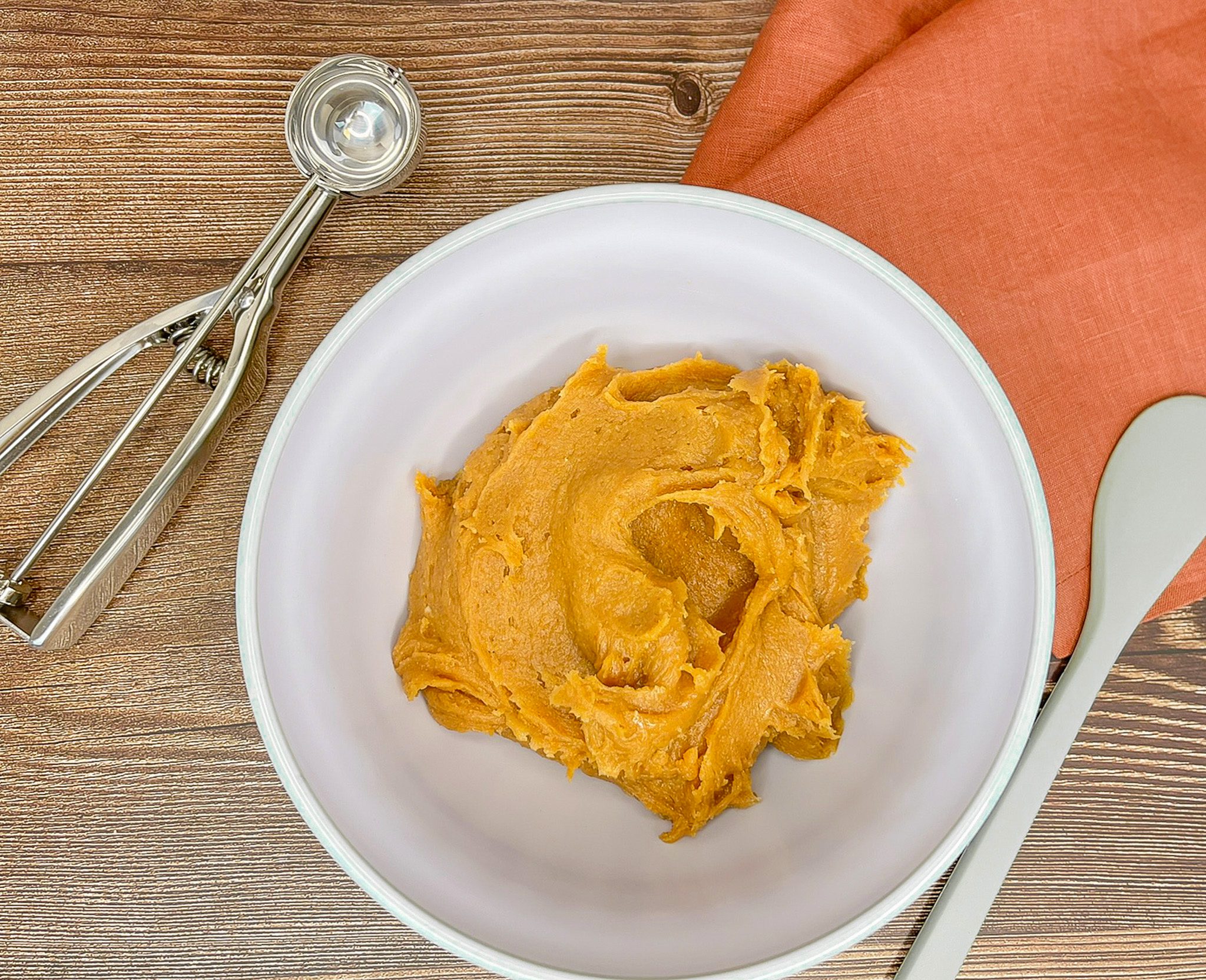
- Add egg, blended cottage cheese, and baking soda. Beat until well combined.
- Roll 1 tablespoon of dough into a ball and place 2 inches apart on the baking sheets. If desired, create a crisscross pattern with a cold fork.
- Bake until puffed and pale golden, about 12–14 minutes.
- Cool on the baking sheet for about 2 minutes, then transfer to a wire rack to cool completely before serving.