
Creamy Scalloped Potatoes
Creamy Scalloped Potatoes
Perfect for chilly winter nights, this crowd-pleasing potato dish is warm, comforting, and satisfying. It effortlessly elevates cozy weeknight dinners while still feeling elegant enough to serve alongside a holiday roast, ham, or turkey. Decadent, creamy, savory, and just slightly tangy thanks to Daisy Sour Cream, these potatoes look luxuriously indulgent yet are surprisingly simple to make with ingredients you likely already have on hand.

Similar to classic potatoes au gratin, these Creamy Scalloped Potatoes feature thinly sliced potatoes layered and baked in a rich, cheesy cream sauce until perfectly tender. The result is irresistibly soft, velvety potatoes coated in a luscious, indulgent sauce that makes every bite comforting and crave-worthy. Incredibly simple to prepare, this recipe is straightforward and requires little culinary skill. They are so irresistible that they’ll become favorite savory side.
Creamy Scalloped Potato Ingredients
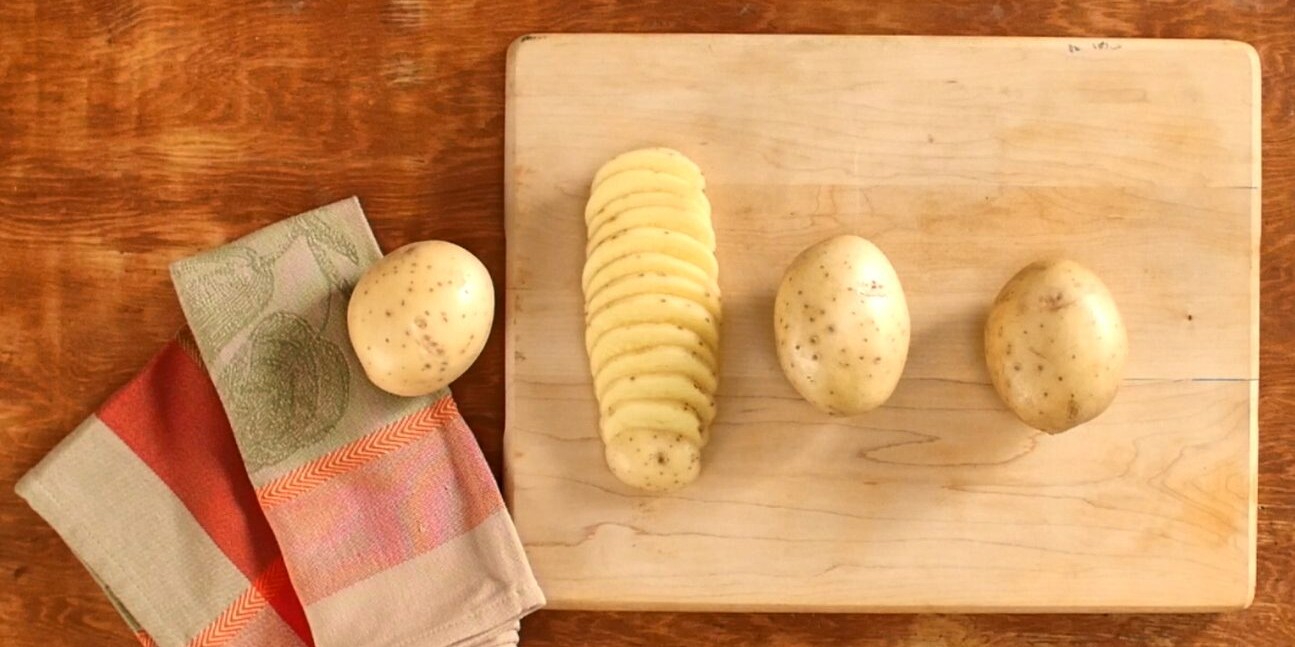
- Yukon Gold Potatoes (2 ½ pounds, about 5 medium): With creamy interior texture and buttery flavor, they are perfect for scalloped potatoes. They are firm enough to hold their shape, while delicate enough to become tender and velvety in the sauce.
- Butter (1/4 cup): Adds richness to the sauce and aids in the sauteing of the onions.
- Chopped Onion (1/4 cup): Sharp, earthy, and slightly pungent, they add a savory flavor that complements the cheesy sauce. They add a depth of flavor to the dish. Yellow or white onions work best in this recipe.
- All-Purpose Flour (2 tablespoons): Used to thicken and stabilize the sauce.
- Salt (1 teaspoon): Table salt works great for this recipe and enhances the other flavors in the dish.
- Milk (1 ½ cups): Thins the sauce and carries the other flavors into the potatoes.
- Daisy Sour Cream (1 cup): Creamy and delicious, it adds a richness and slight tang to the sauce and makes the sauce velvety.
- Asiago Cheese (1 ½ cup, freshly shredded): This salty, cheese is rich, nutty, and yeasty. It has a similar flavor profile to Parmesan but is nuttier and melts better due to its creamier nature.
- Paprika (1/8 teaspoon): Adds a pop of color with a mild, slightly floral, and slightly sweet note.
Substitutions, Variations, and Tips
- Yukon Gold potatoes are ideal, but Russet potatoes work just as well. Russets have a mild, earthy flavor with a slightly grainier texture.
- Skip red potatoes for this recipe. They’re too waxy and can result in a gluey texture.
- Olive oil can be used in place of butter if preferred.
- Any onion will work, but sweet yellow or white onions offer the best balance of flavor.
- For a milder onion taste, try substituting chopped leeks or green onions.
- If gluten is a concern, cornstarch can be used instead of flour to thicken the sauce. Add the milk first, then whisk in the cornstarch until smooth.
- Half-and-half is a great substitute for milk and creates an even richer, creamier sauce.
- Asiago cheese can be swapped for other favorites like Gruyère, cheddar, Manchego, or Parmesan. Use what you have on hand.
- Fresh garlic and herbs add wonderful depth of flavor. Try about 1 teaspoon of minced garlic or a sprinkle of fresh thyme or rosemary.
- Feel free to finish the dish with extra cheese or a light topping of breadcrumbs for added texture.
- For evenly sliced potatoes, a mandoline slicer or food processor makes prep quick and easy.
- This dish is perfect for making ahead. Prepare it up to one day in advance, wrap tightly, and refrigerate until ready to bake.
- To reheat, preheat the oven to 350°F, cover with foil, and bake for 15–30 minutes until warmed through. Individual portions can also be reheated in the microwave at ½ power in 15–30 second intervals.
- Cooked potatoes can be frozen. To reheat, bake covered at 325°F for about 75 minutes, or thaw to room temperature and bake at 350°F for 15–30 minutes until hot.
How to Make Creamy Scalloped Potatoes
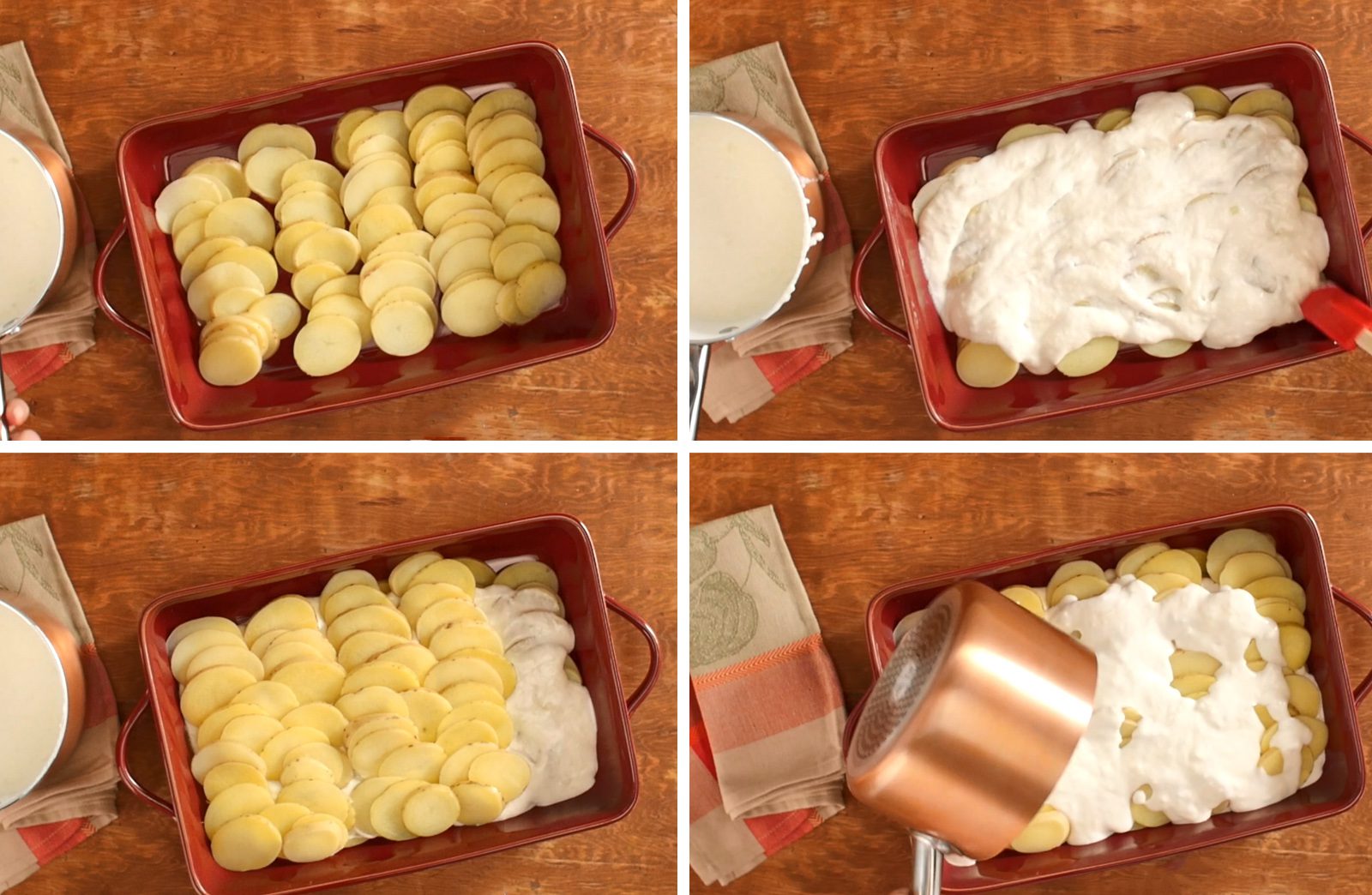
- Spray 2-quart baking dish with nonstick spray. Preheat oven to 350°
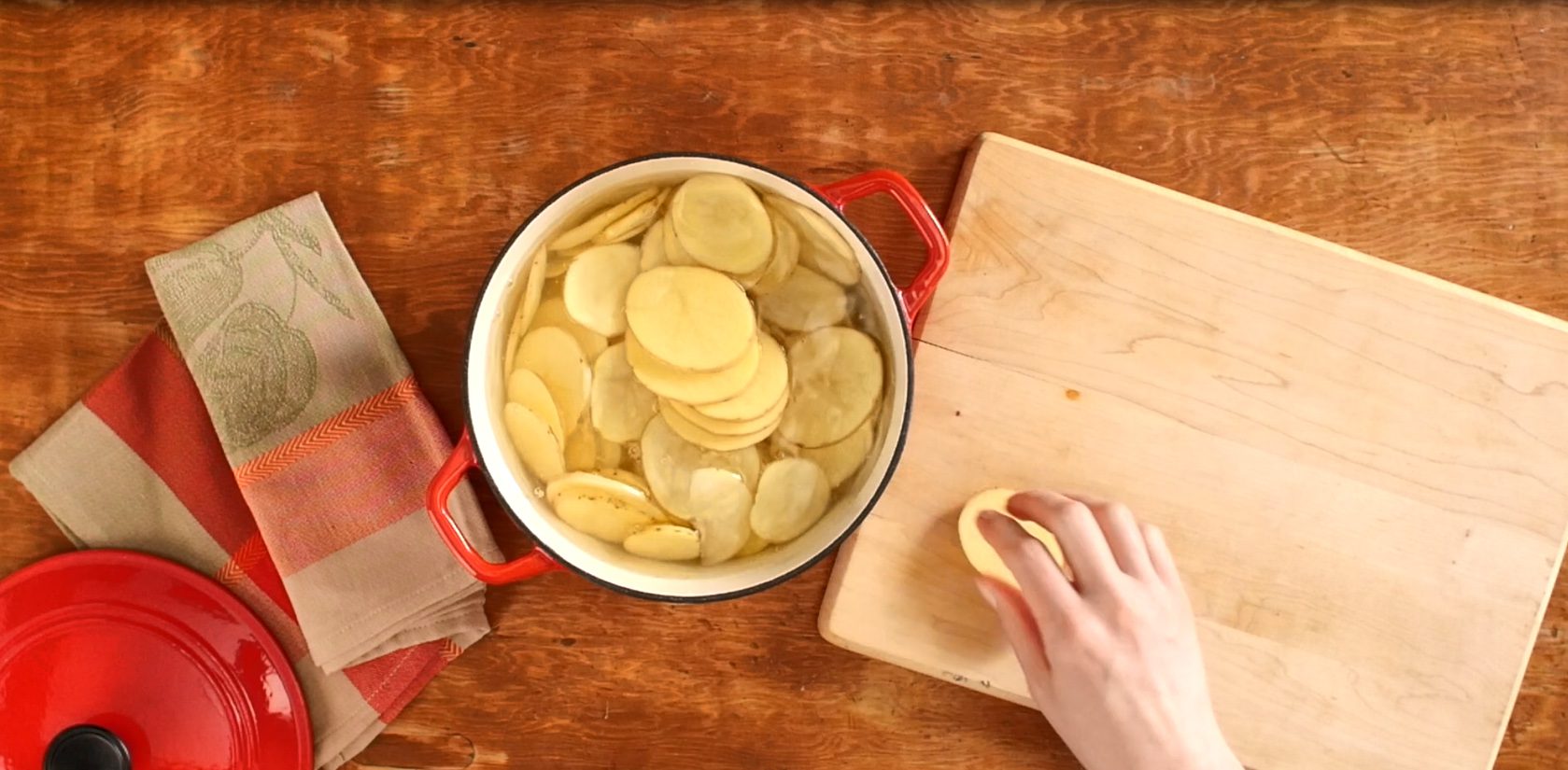
- Peel and slice potatoes into 1/8-inch-thick circles. Place in a large saucepan and cover with water. Cook until tender, drain, and cool slightly.
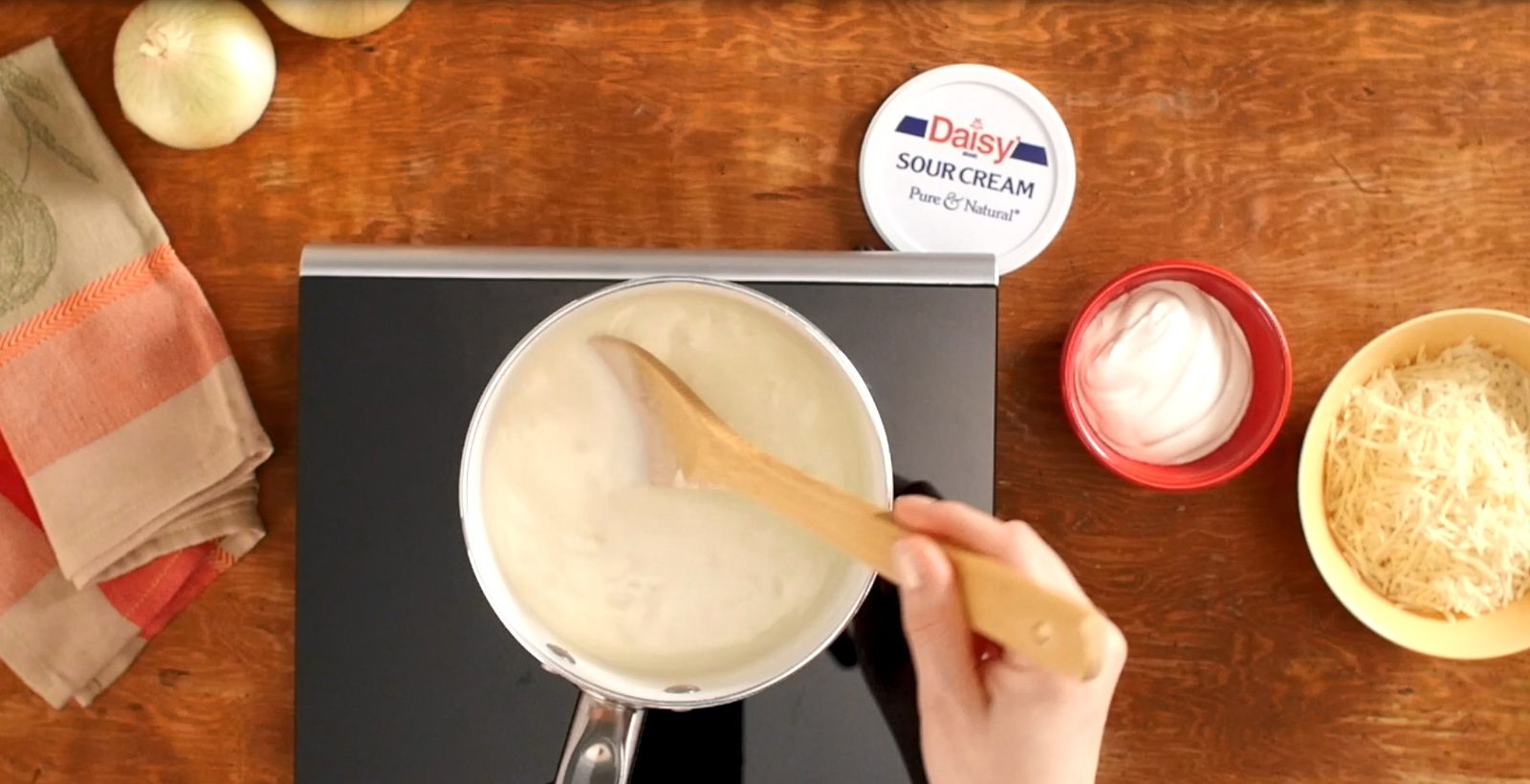
- In saucepan, melt butter over medium heat. Add onion and cook 1 minute. Stir in flour and salt. Cook until bubbles form. Gradually stir in milk and cook until mixture boils. Reduce to lowest heat. Stir in sour cream and cheese. Cook until cheese melts, stirring constantly.
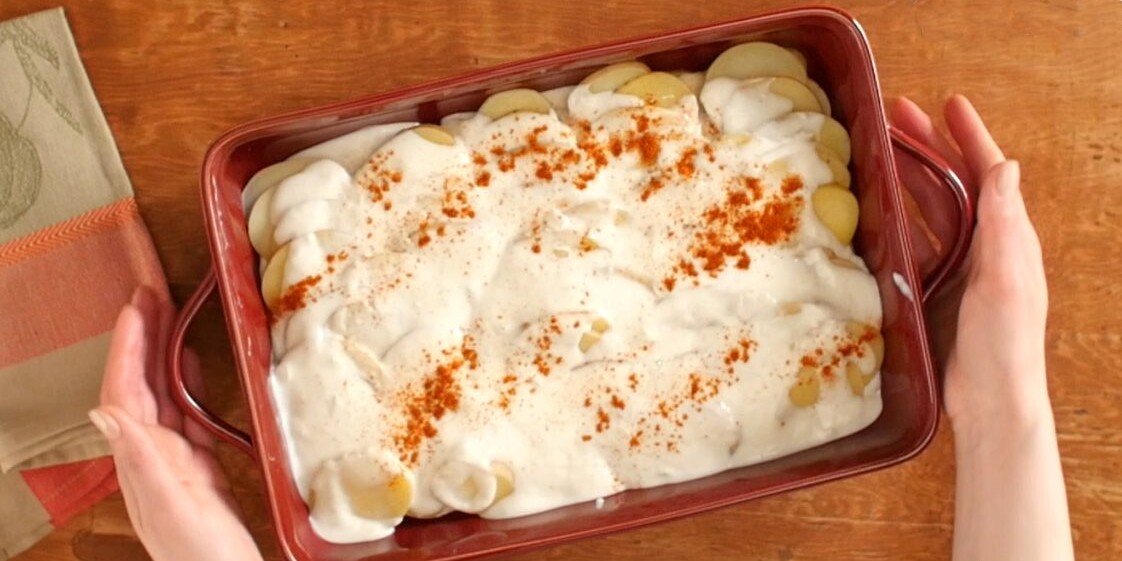
- Layer half potatoes in baking dish and cover with half the sauce. Repeat. Sprinkle with paprika.
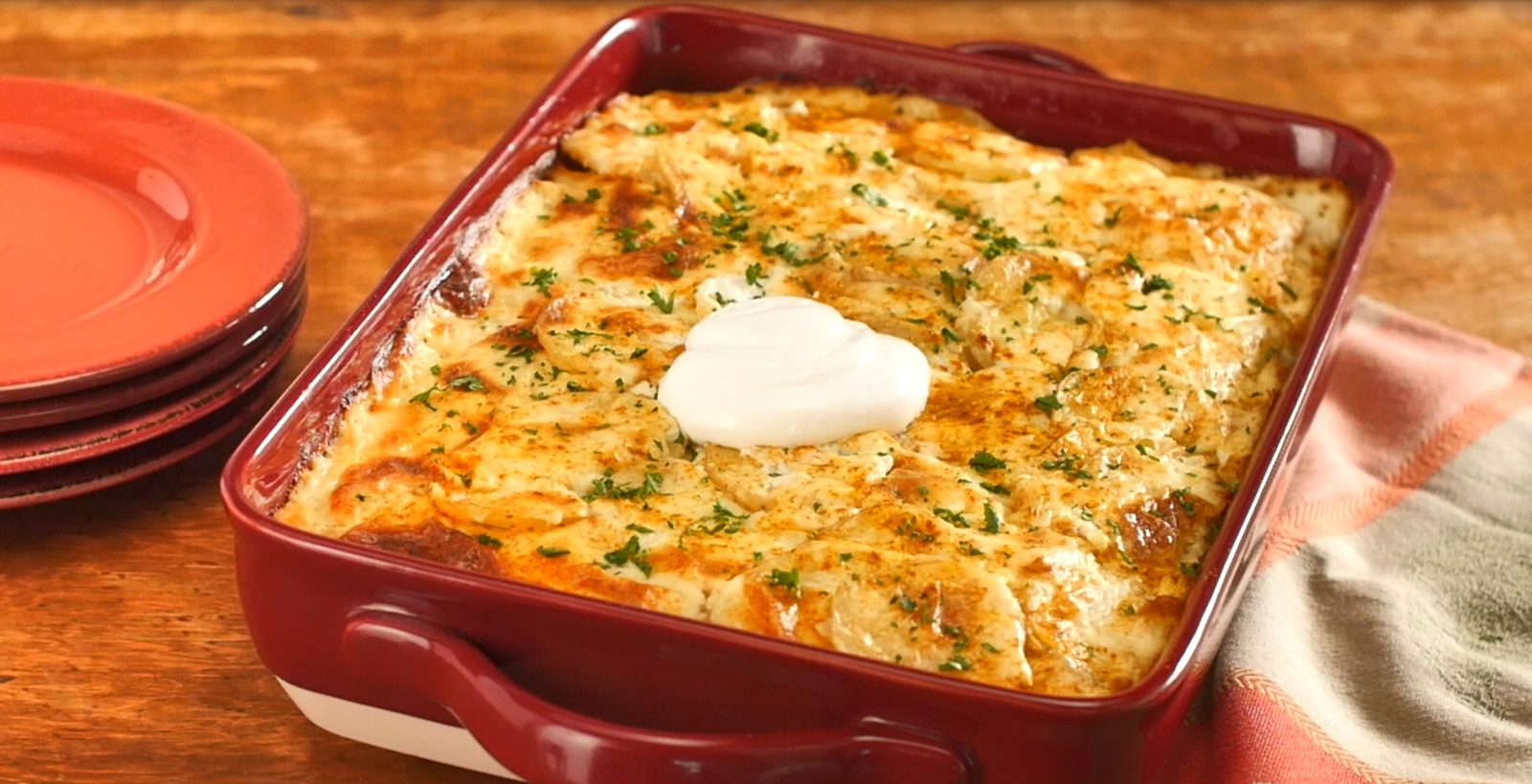
- Bake 30-35 minutes until top starts to brown. Let stand a few minutes before serving.


Lemon Tea Cookies
Lemon Tea Cookies
These soft, citrusy Lemon Tea Cookies are bursting with bright lemon flavor and have a melt-in-your-mouth texture, thanks to the creamy richness of Daisy Cottage Cheese. Each bite is a delightful mix of tangy, sweet, and tender crumb — finished with a zesty lemon glaze that adds the perfect punch of flavor. And the best part? They come together in just 15 minutes!

These to-die-for cookies are perfect for summer snacking, after-school treats, or year-round tea time. Pair them with a warm cup of tea or a cold glass of milk for a little moment of joy any time of day.
Lemon Tea Cookie Ingredients
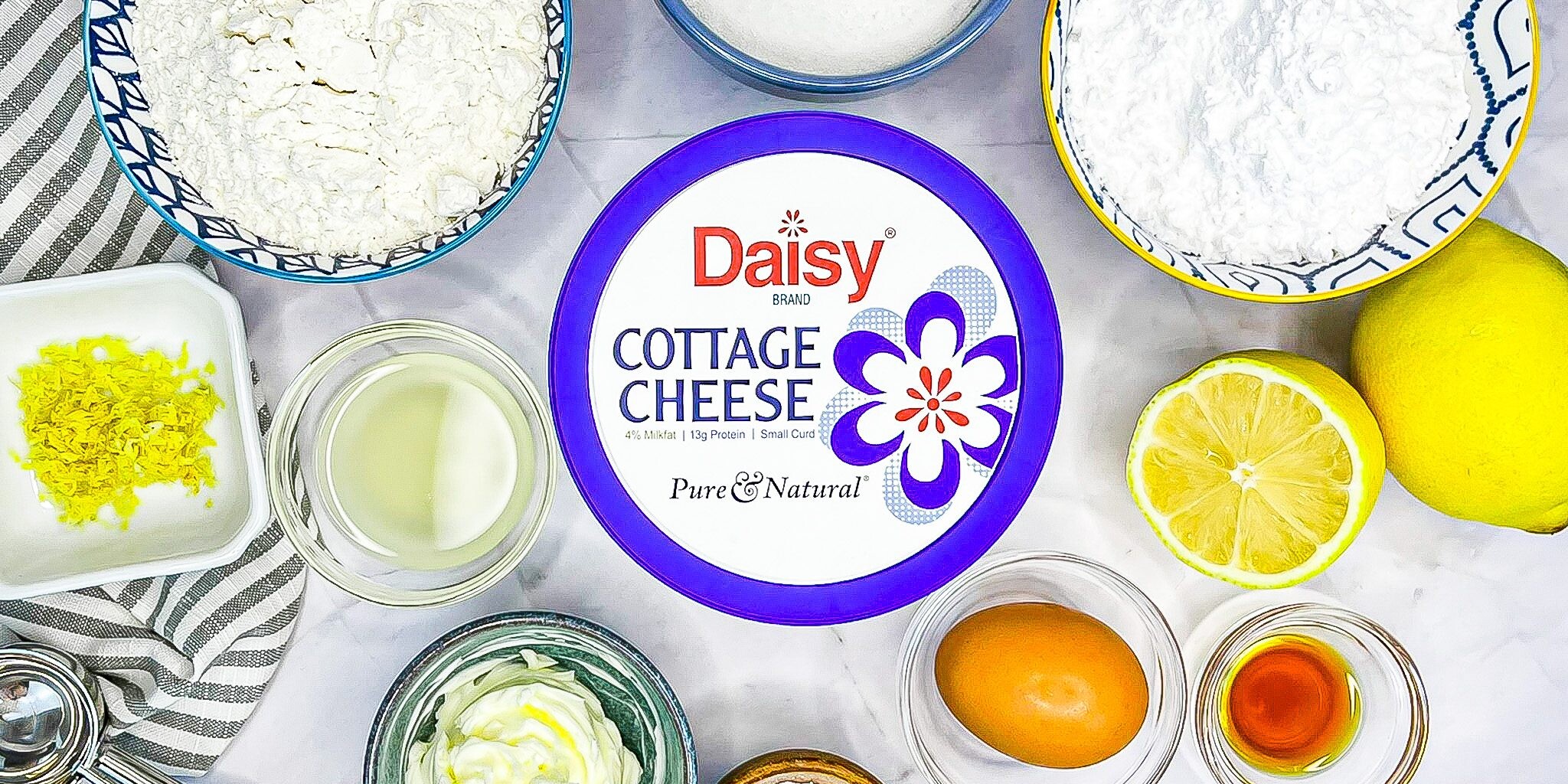
- All-Purpose Flour (1 ¼ cups): The gluten in all-purpose flour gives the cookies structure.
- Baking Powder (3/4 teaspoon): A main ingredient for leavening, it adds volume and lightness to the batter and adds height to the cookies.
- Unsalted Butter (4 tablespoons, softened): Lends flavor and richness to the cookies.
- Sugar (1 cup): Adds sweetness to the cookies.
- Egg (1 large): Acts as glue to hold the other ingredients together and adds a bit of height to the cookies.
- Daisy Cottage Cheese (1 cup, blended): The star ingredient that gives the cookies their name. It provides moistness and richness to the cookies, plus a bit of protein.
- Lemon (1 large, zested and juiced): Delivers the fresh, concentrated, tart, zesty citrus flavor to the cookies and the glaze.
- Vanilla Extract (1 teaspoon): An essential ingredient in many desserts, it enhances the flavor of the cookies.
- Powdered Sugar (3/4 cups): Finely ground sugar with no hint of graininess, it is the perfect sugar for making the glaze for the cookies.
Substitutions, Variations, and Tips
- Bring all ingredients to room temperature for best results.
- Swap lemon for lime or orange zest and juice for a fun twist.
- When measuring flour, spoon it into the cup and level it off — avoid scooping directly from the bag, which can pack the flour and lead to dry cookies.
- Don’t overmix the dough — too much mixing develops gluten, making cookies dense.
- Want a thicker glaze? Wait until cookies are fully cooled. Add extra powdered sugar for more thickness, or thin with ½ teaspoon water at a time.
- Store cookies in an airtight container to keep them fresh.
How to Make Lemon Tea Cookies
- Preheat oven to 375°F. Line baking sheets with parchment paper.
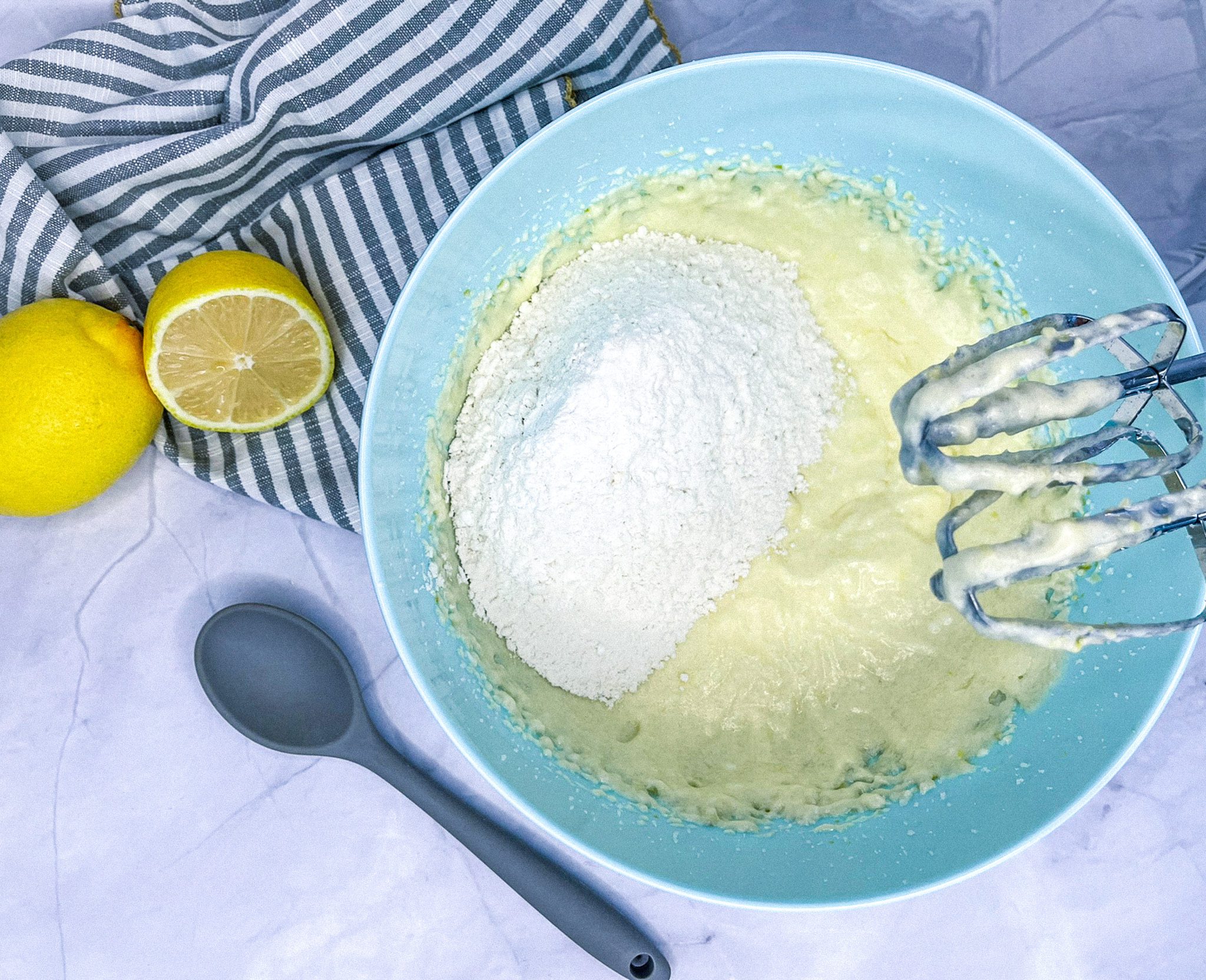
- In a bowl, mix the flour and baking powder. Set aside.
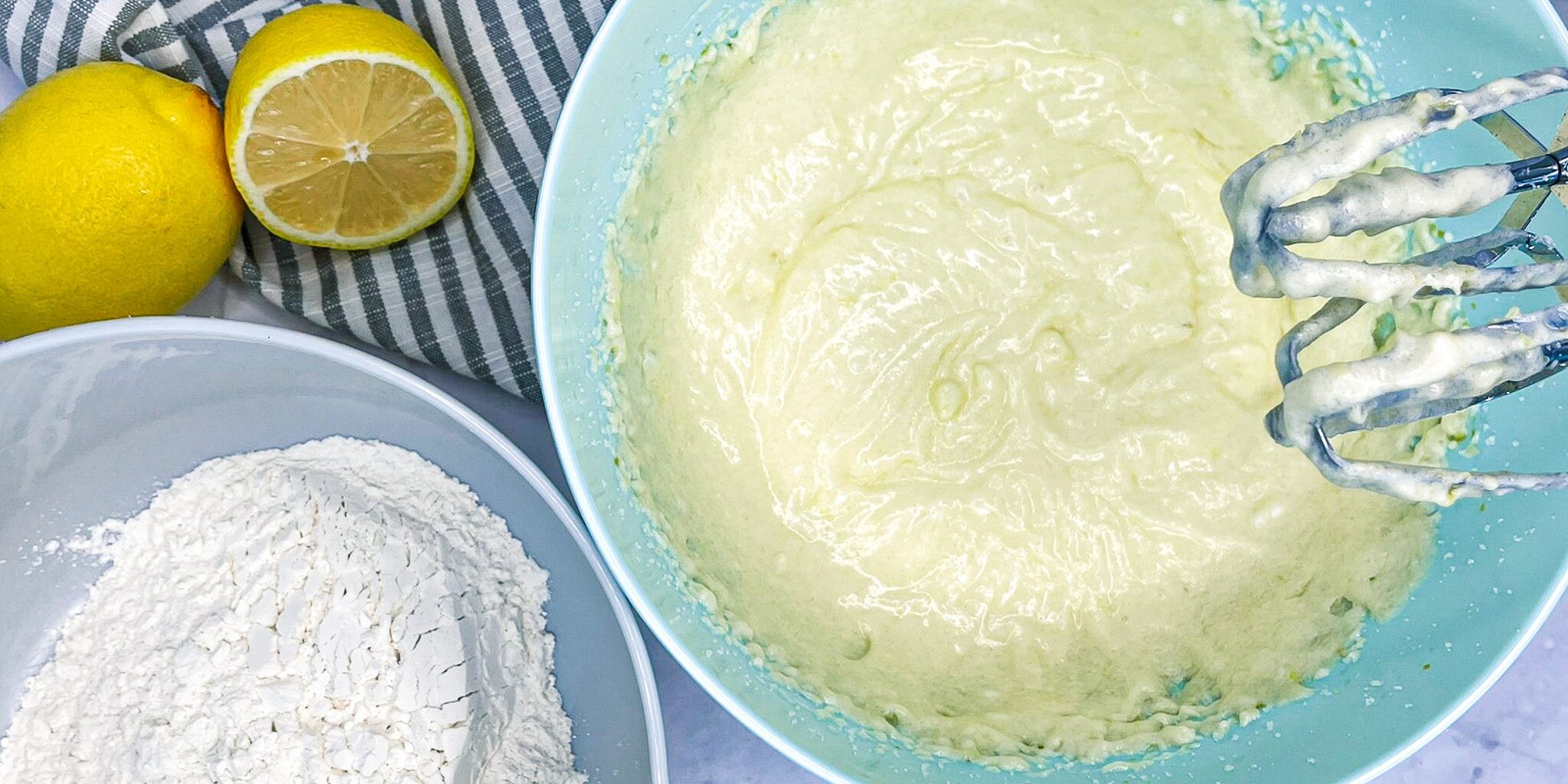
- Using an electric mixer, beat butter and sugar until light and fluffy (about 3 minutes). Add egg and mix until fully incorporated.
- Add blended Daisy Cottage Cheese, half the lemon zest, half the lemon juice, and vanilla extract. Mix well.
- Stir in dry ingredients until just combined.
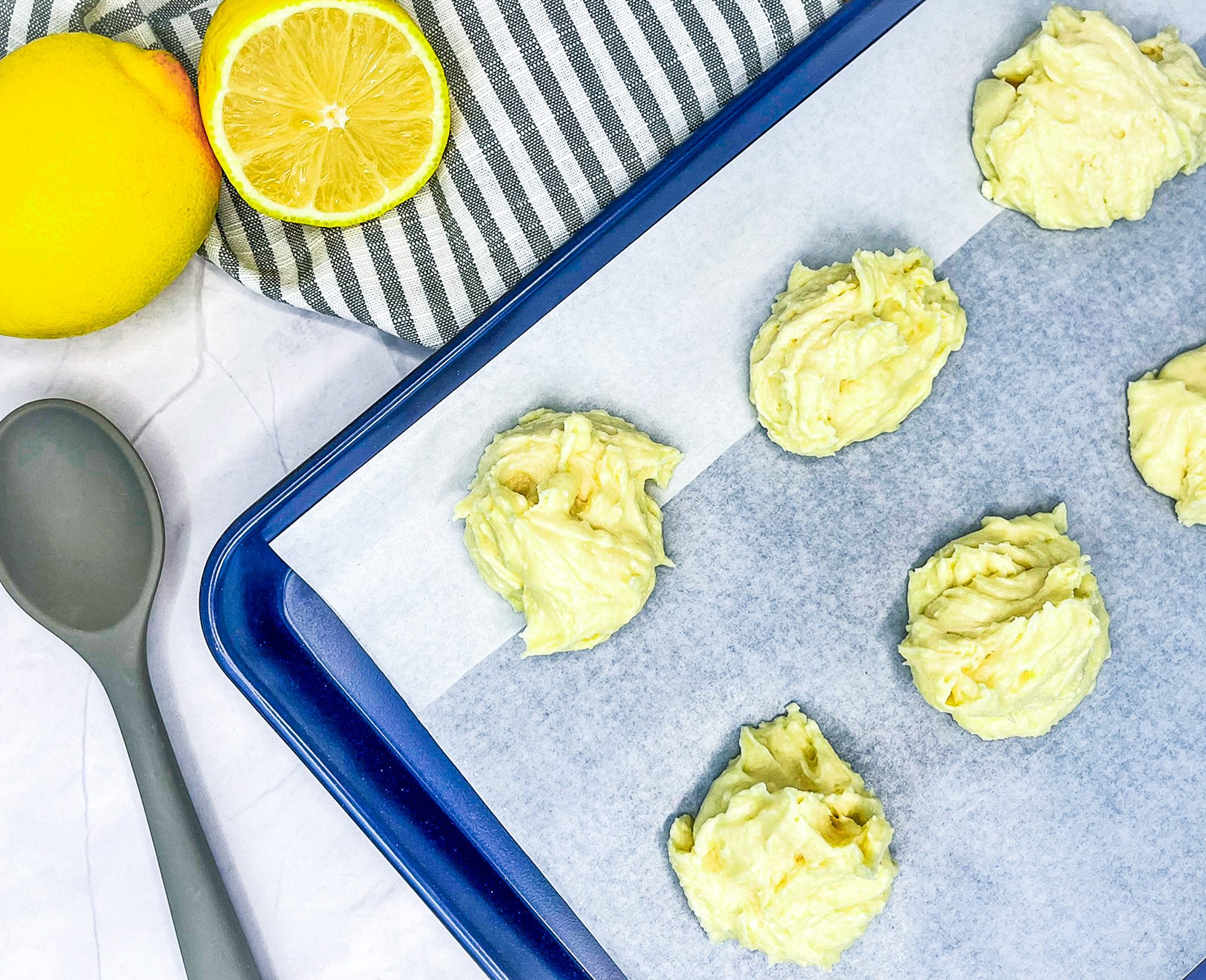
- Scoop about 2 tablespoons of dough for each cookie onto prepared baking sheets. Bake for 15 minutes, until edges are slightly golden. Let cookies rest on the baking sheet for 20 minutes.
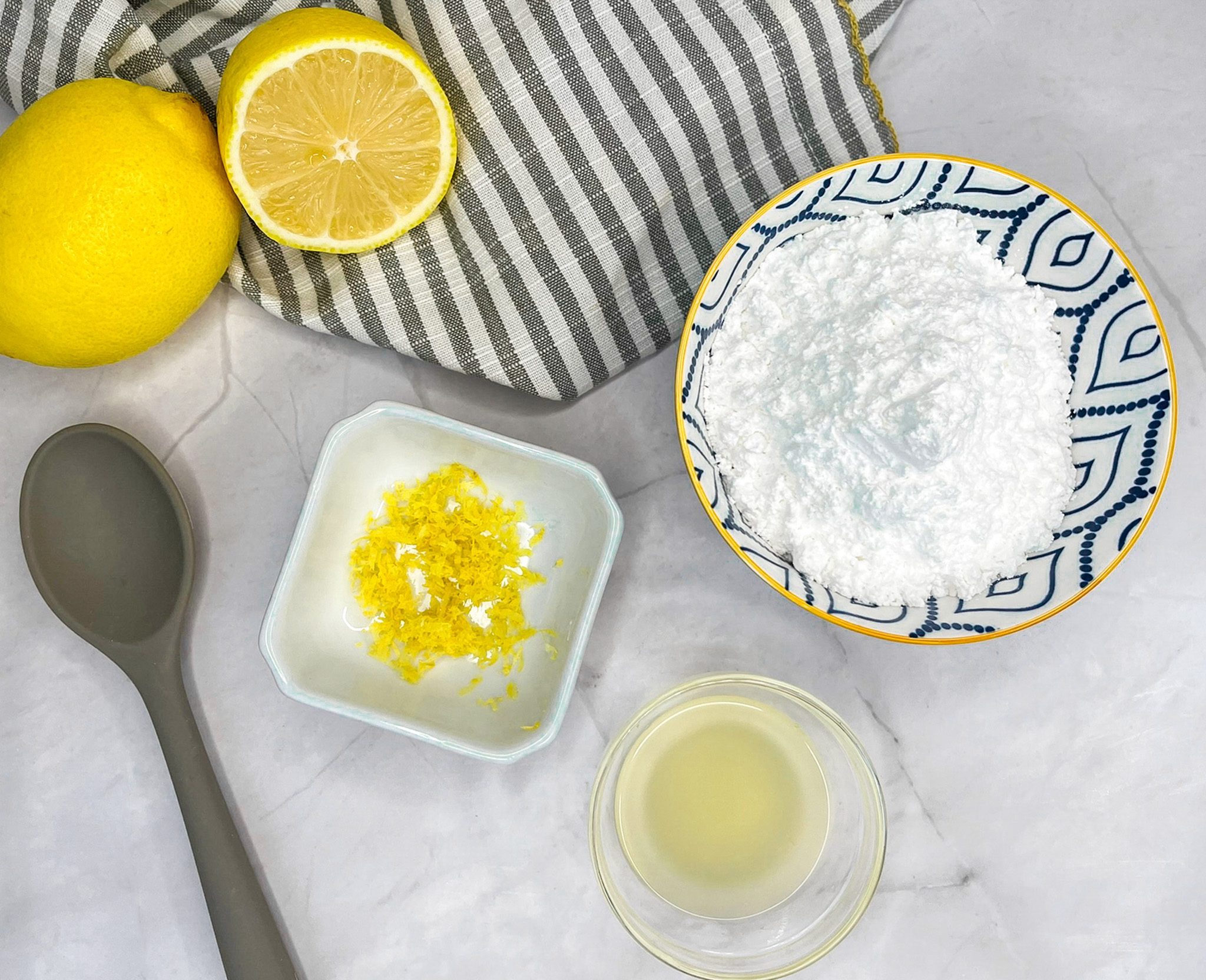
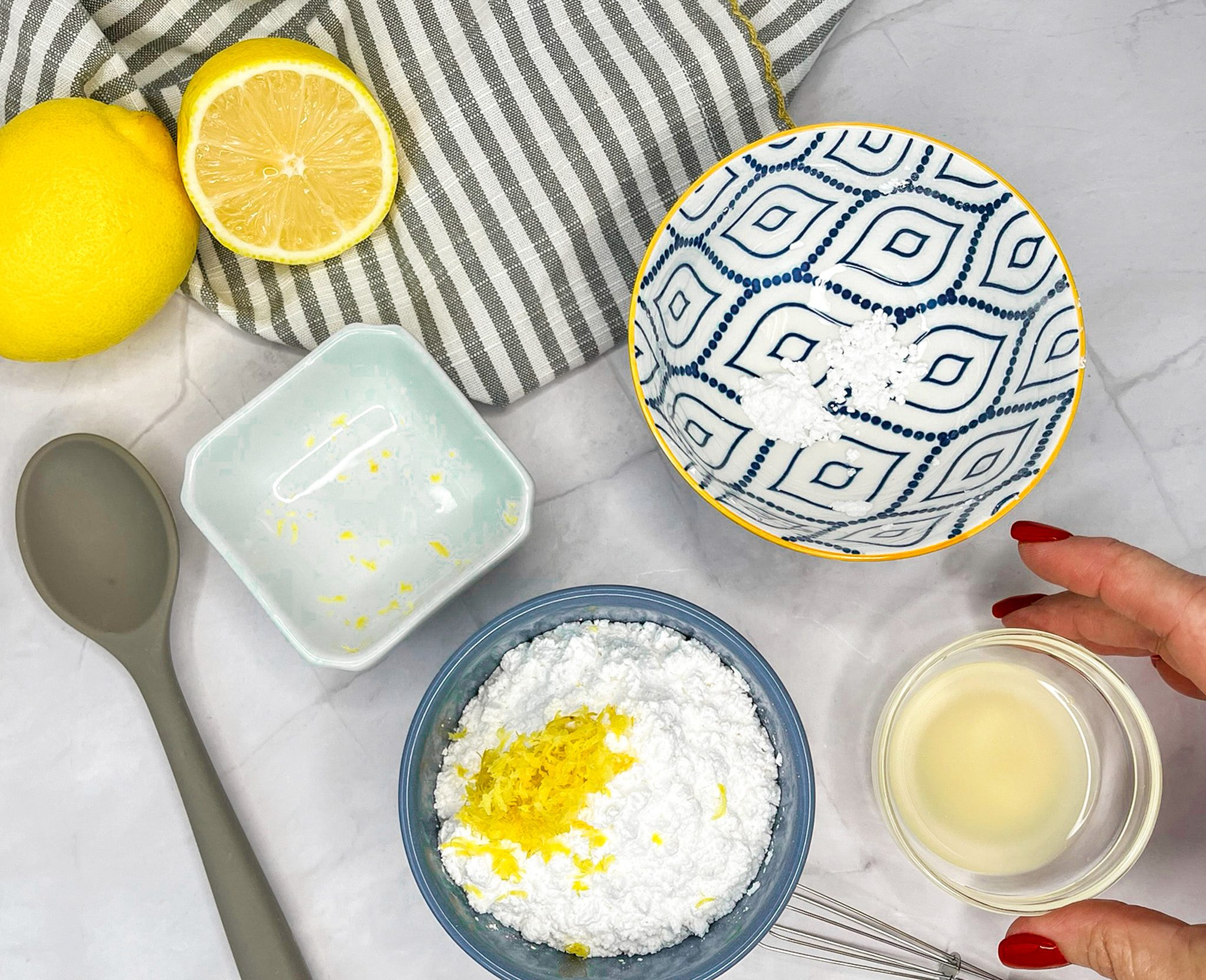
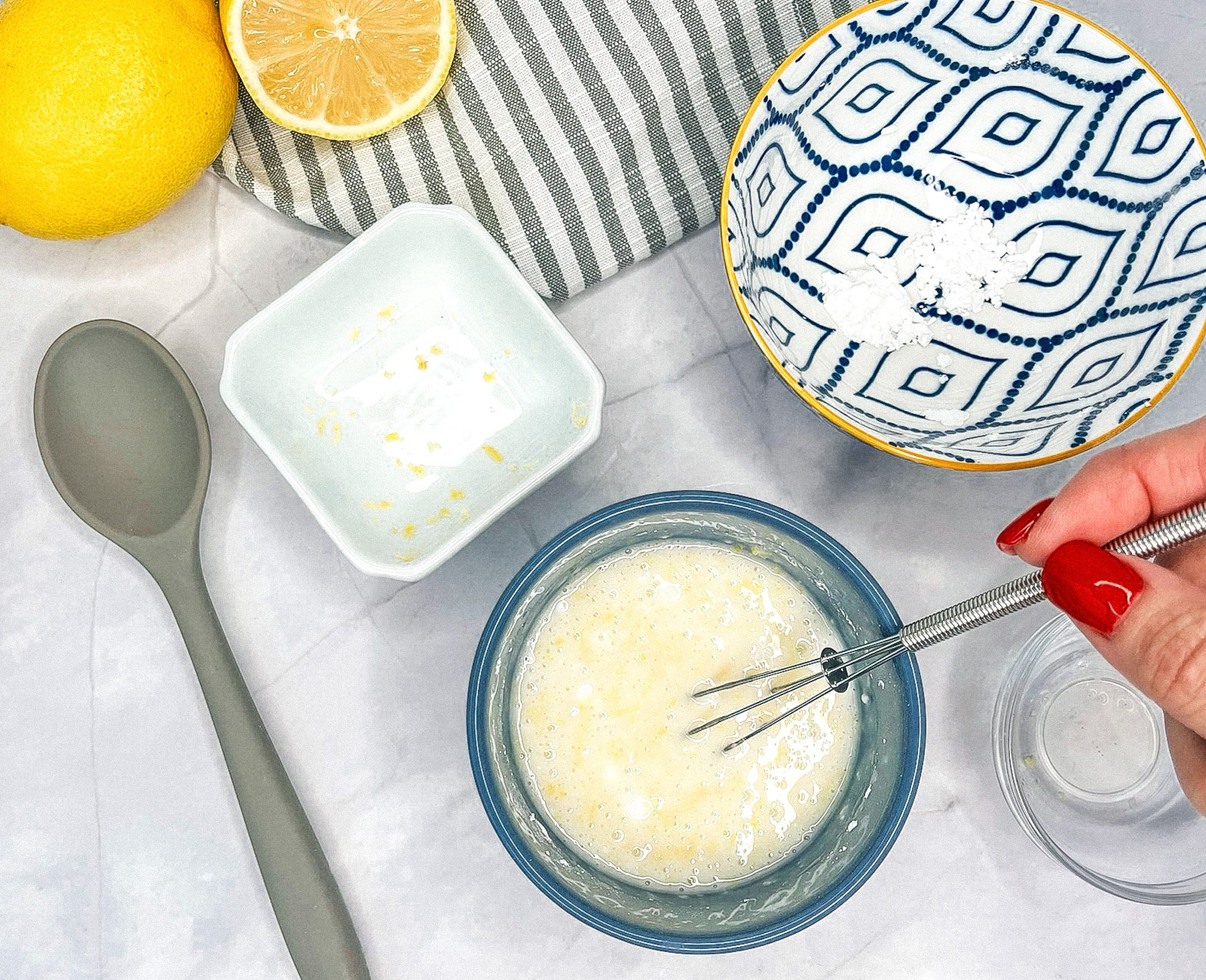
- Meanwhile, make the glaze: mix powdered sugar with remaining lemon zest and juice. Stir until smooth. Spoon about ½ teaspoon of glaze onto each cookie and gently spread to the edges.
- Let glaze set for about 2 hours before serving.

Lemon Sour Cream Pound Cake
Lemon Sour Cream Pound Cake
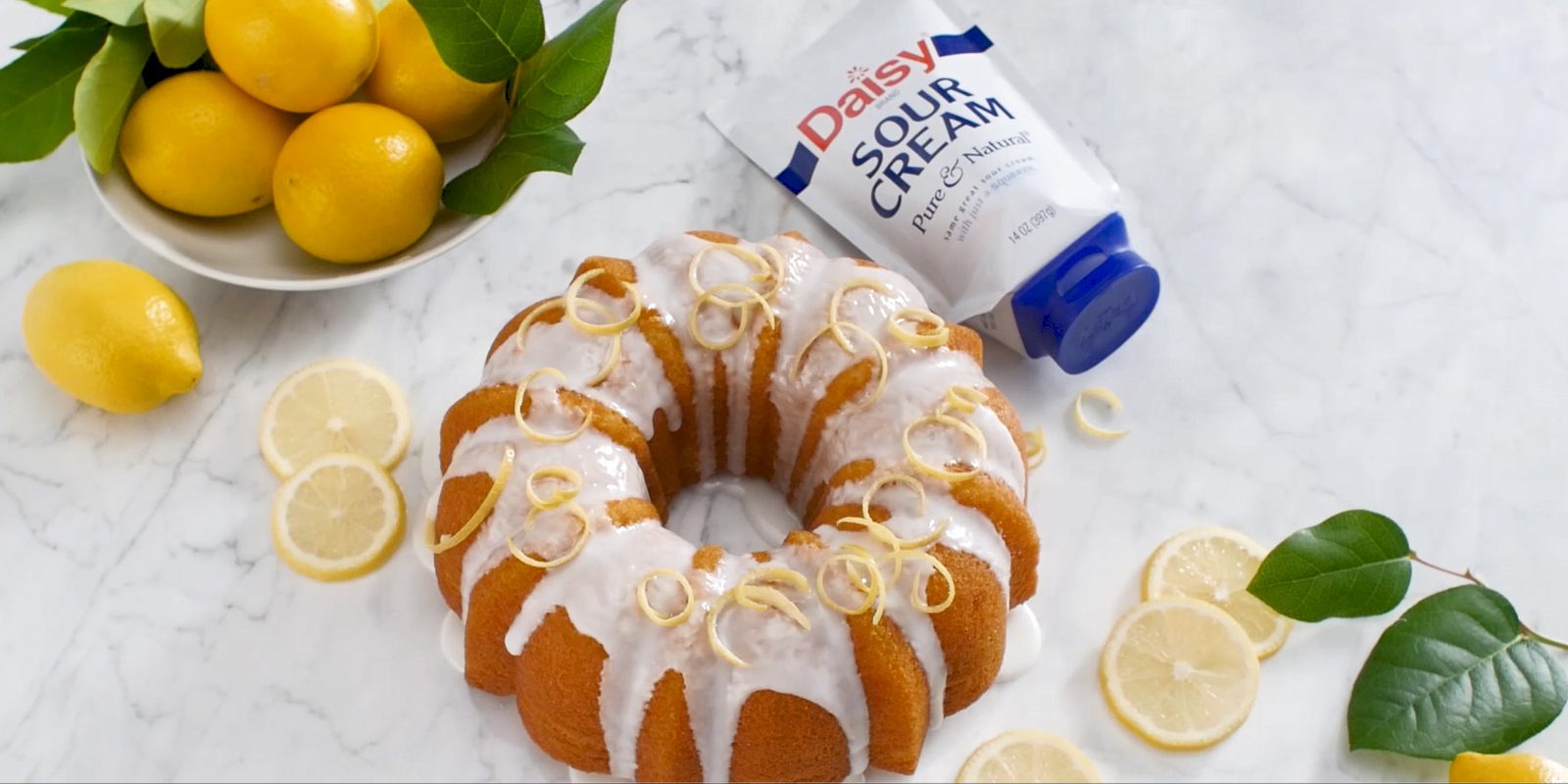
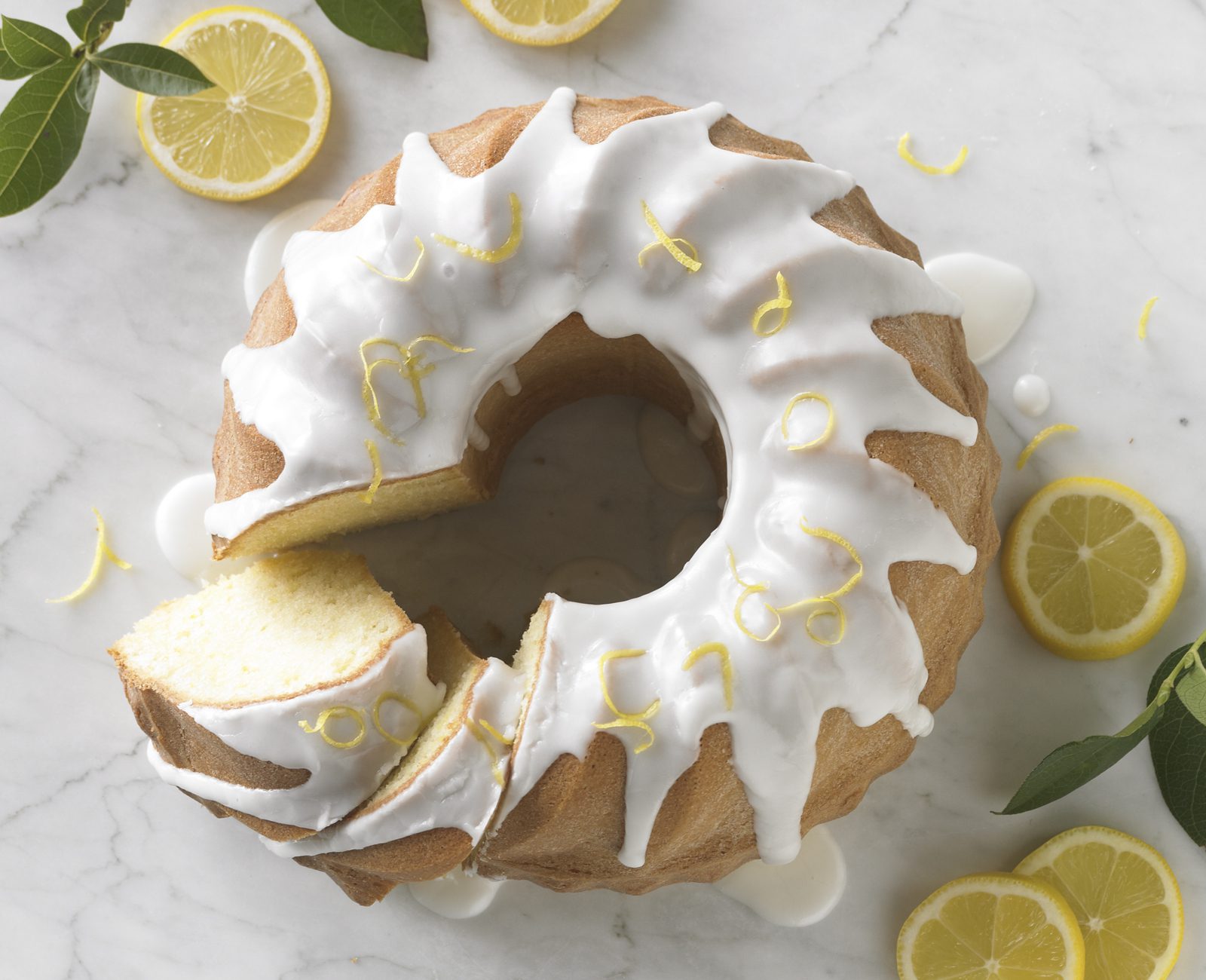
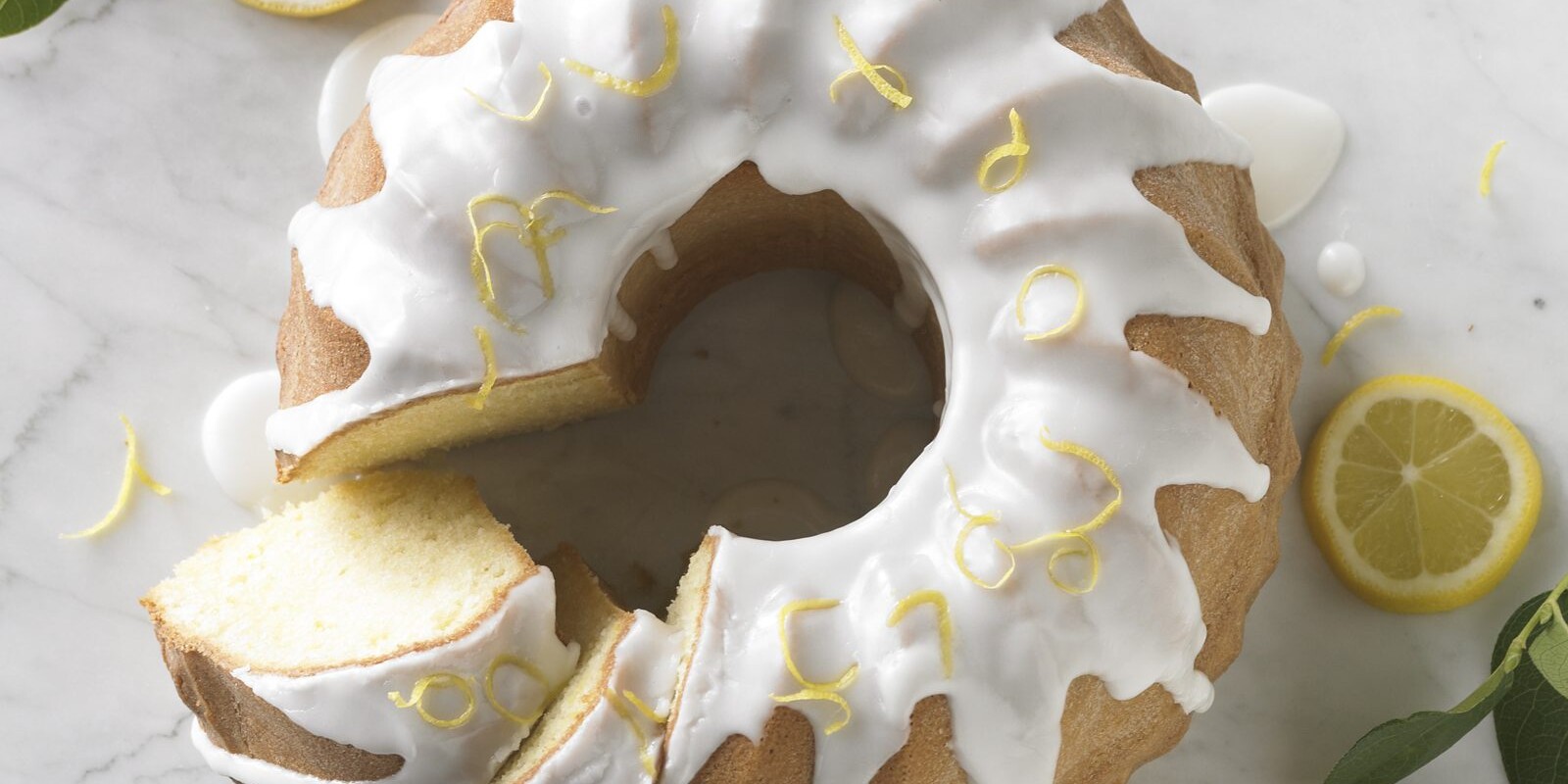
Loved for its perfect balance of bright, citrusy lemon and rich, creamy, tangy sour cream, this indulgent, bakery-quality cake is refreshing, light, moist, tender, and delightfully lemony. As it bakes, an irresistible aroma fills your kitchen, and you’ll find yourself counting the minutes until you can enjoy the first slice.
The combination of sour cream and zesty lemons brings out the best in both ingredients without ever being overwhelming, creating a complex, crave-worthy flavor. Fresh lemon zest and juice add a burst of citrusy brightness, perfectly paired with sour cream to create the ultimate pound cake. The sour cream adds richness, moisture, and depth, ensuring a soft, tender crumb that stays delicious for days. Its subtle tang complements the lemon’s tartness, balances the sweetness, and delivers a rich cake that’s satisfying without feeling heavy.
This is the perfect cake for anyone looking for something that’s both light and indulgent. Ideal for any season, it feels refreshing in the spring and summer, yet rich enough to enjoy in the fall and winter. Luscious and timeless, this lemon cake is made for sharing.
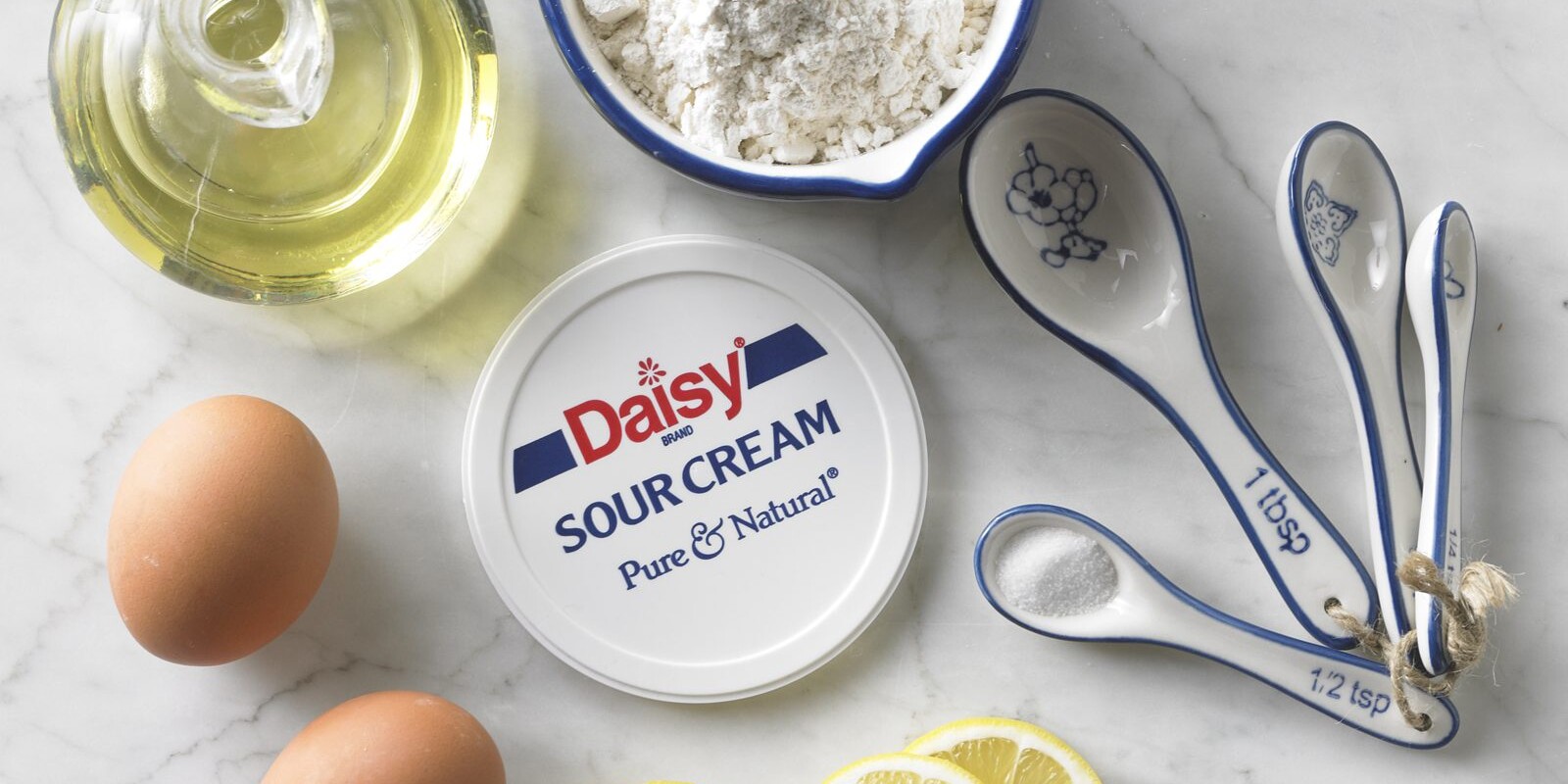
Lemon Sour Cream Pound Cake Ingredients
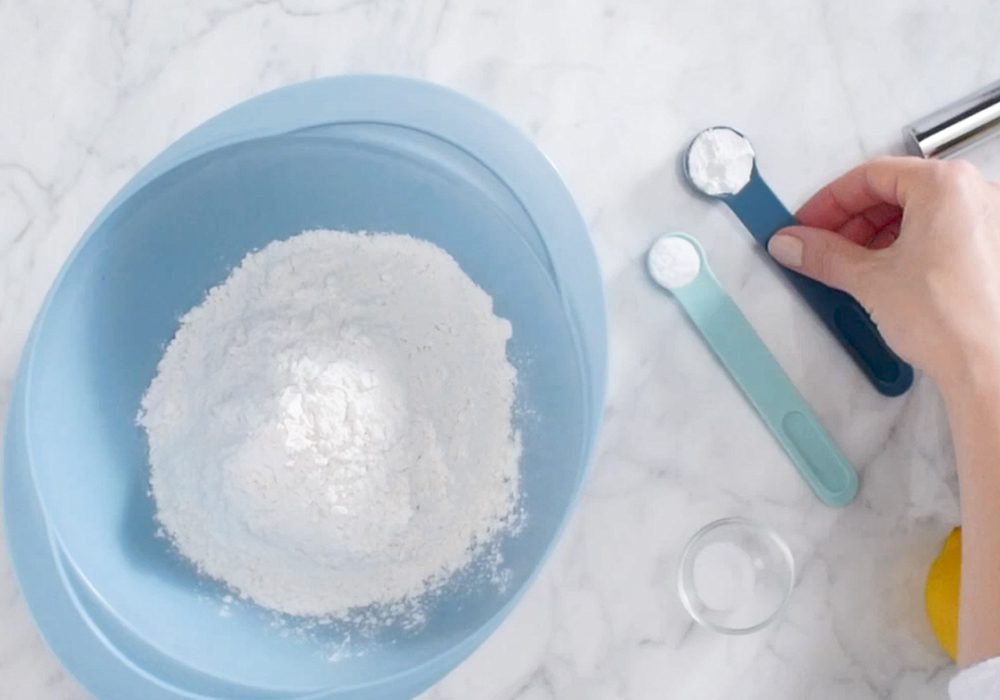
- All-Purpose Flour (2 ¼ cups): The gluten in all-purpose flour gives the cake structure.
- Baking Powder (1 teaspoon): A main ingredient for leavening, it adds volume and lightness to the batter.
- Baking Soda (1/2 teaspoon): Another ingredient for leavening. It helps the batter rise and gives baked goods a light and fluffy texture.
- Salt (1/2 teaspoon): Helps enhance the flavors and balances the sweetness of the batter.
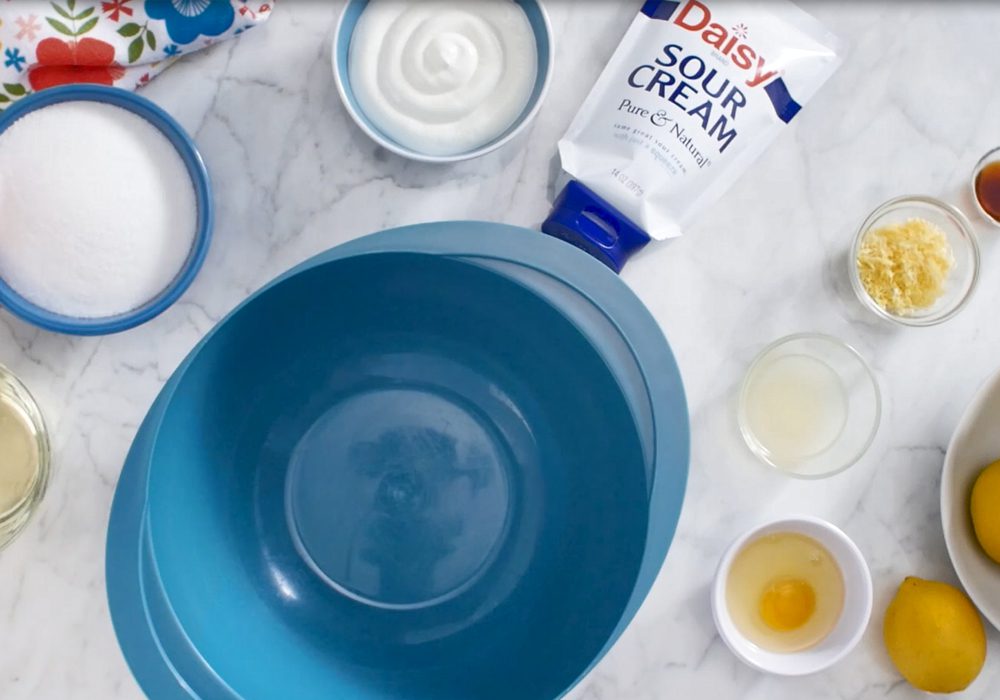
- Sugar (1 ¾ cups): Adds sweetness to the batter.
- Daisy Sour Cream: The star ingredient that gives the cake its name. It makes the cake moist and rich with a slight tang, ensuring it stays moist and fresh for days. The fat in the sour cream reacts with the flour to make shorter gluten strands making the cake tender, while the acidity in the sour cream interacts with the baking soda and baking powder to help the cake remain light while rising.
- Canola Oil (3/4 cup): One of the best options for baking, it has a mild, neutral flavor. It adds moistness to the cake.
- Grated Lemon Peel (2 tablespoons): Adds a concentrated citrus flavor and fragrance without adding additional tartness.
- Eggs (4 large): Creates the thickness and stability in the batter, providing the perfect structure of the cake. Eggs bond with the flour to create texture by forming a stronger gluten. The eggs also help add height to the cake.
- Lemon Juice (4 tablespoons, divided): Adds the fresh, tart, zesty citrus flavor to the cake and the glaze. The acid in the juice reacts with the leavening agents to create air bubbles which help the cake rise.
- Vanilla Extract (1 teaspoon): An essential ingredient in many desserts, it enhances the flavor of the cake.
- Powdered Sugar (1 ¼ cups): Finely ground sugar with no hint of graininess, it is the perfect sugar for making sweet frosting and glazes.
Substitutions, Variations, and Tips
- For best results, start by bringing all your ingredients to room temperature—this small step makes a big difference.
- Using high-quality ingredients, like Daisy Sour Cream, will give you the best flavor and texture.
- If you’re looking for an extra-tender crumb, cake flour can be used in place of all-purpose flour.
- When measuring flour, be sure to spoon it into the measuring cup and level it off with a knife. This helps prevent overpacking, which can lead to a dry cake.
- And when mixing the batter, resist the urge to overmix. Too much mixing develops excess gluten and can leave your cake dense or gummy.
- You can substitute vegetable oil or melted butter for the canola oil if you’d like—both work beautifully.
- Always preheat your oven and use the correct pan size so the cake bakes evenly and rises properly. Try not to open the oven door while it’s baking; letting heat escape can affect the final result.
- Once baked, allow the cake to cool fully before removing it from the pan. Skipping this step can cause cracks or breakage.
- If you prefer a thicker glaze, wait until the cake is mostly cool before glazing, as warmer cakes will cause the glaze to run thin.
- Because this cake takes a bit of time to cool, it’s a great make-ahead option. Store it in an airtight container or freeze it before glazing by wrapping it tightly in plastic wrap and then aluminum foil. It can be frozen for up to three months—just thaw completely before glazing and enjoying.

How to Make Lemon Sour Cream Pound Cake
- Heat oven to 325° Coat 12-cup Bundt pan with nonstick cooking spray. Sprinkle with flour, tapping out excess.
- Whisk flour, baking powder, baking soda and salt in a medium bowl.
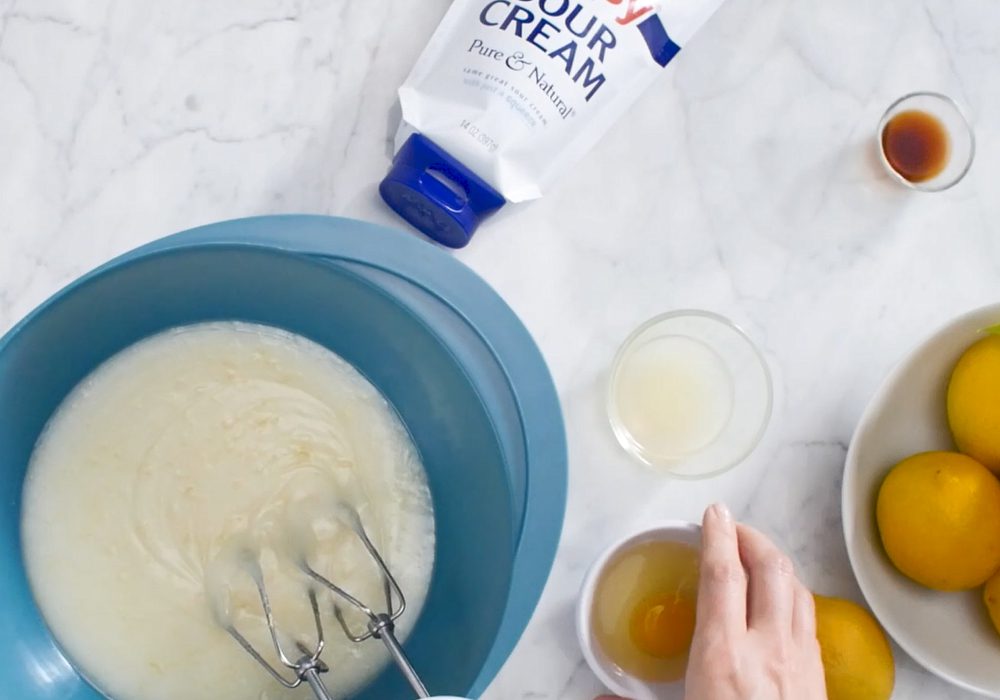
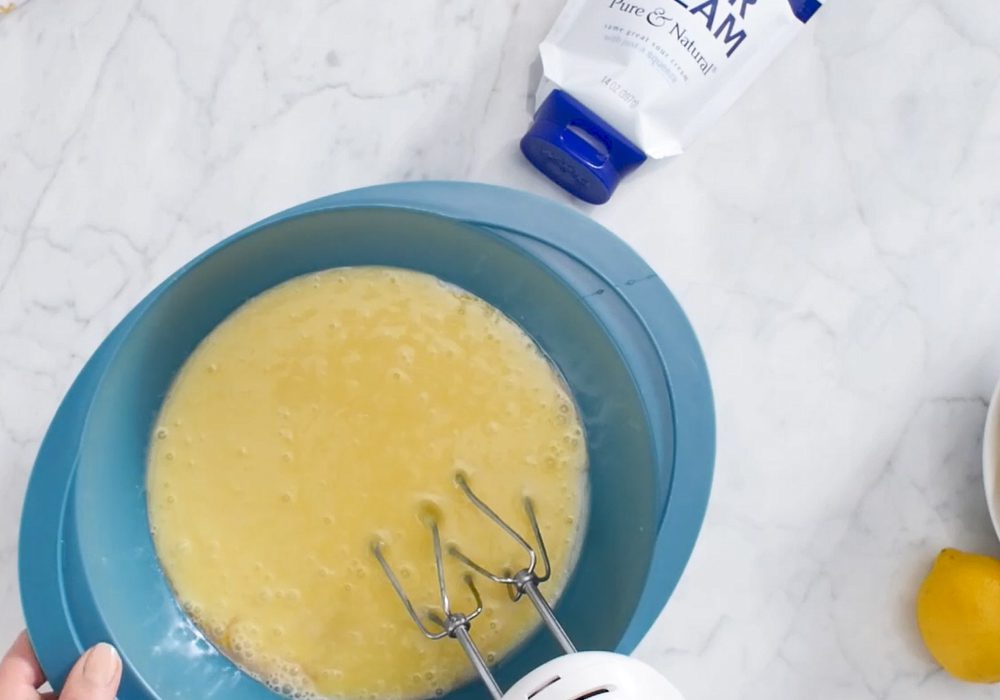
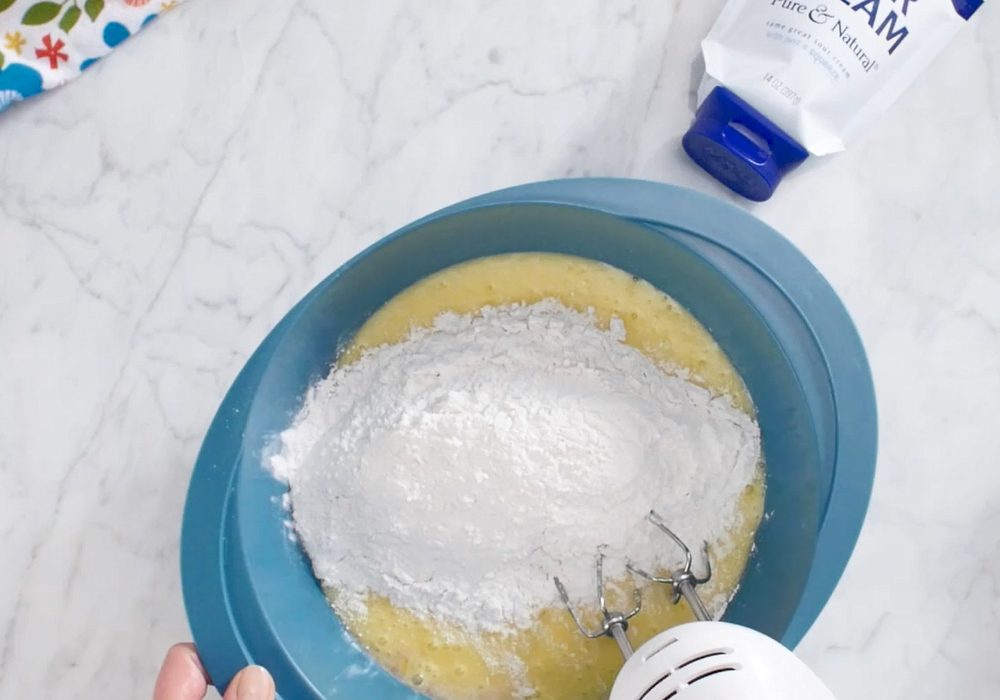
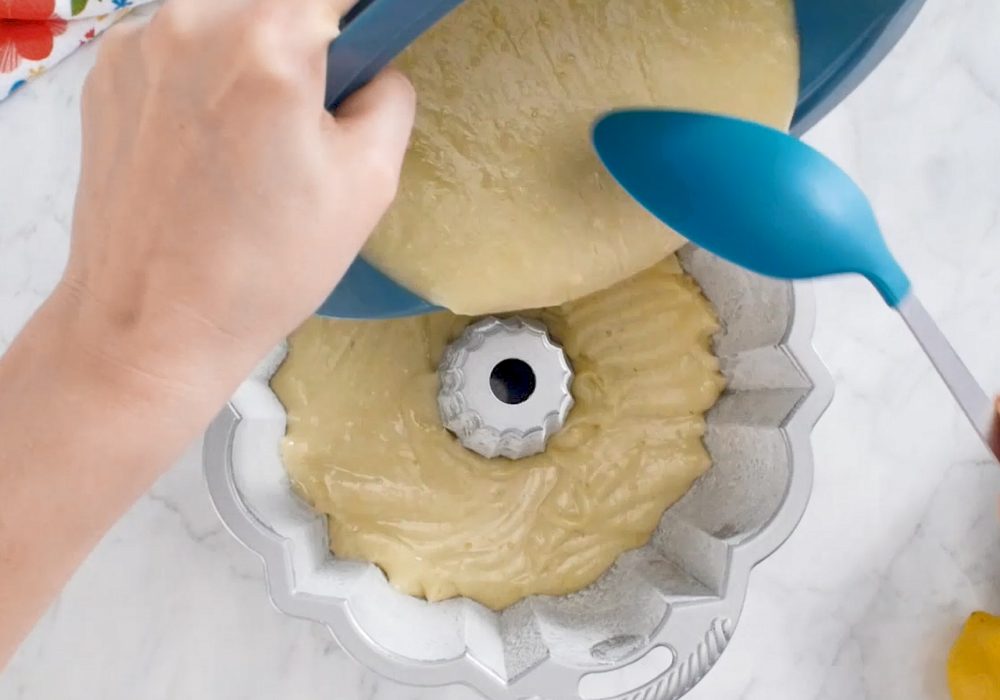
- Beat sugar, sour cream, oil, and lemon peel in large bowl at medium-low speed until smooth. Beat in eggs, one at a time, beating until combined. Beat in 2 tablespoons lemon juice and vanilla extract. At low speed, beat in flour mixture until blended. Spoon batter into pan.
- Bake 55-60 minutes or until the top is golden brown and a wooden skewer inserted in center of cake comes out clean.
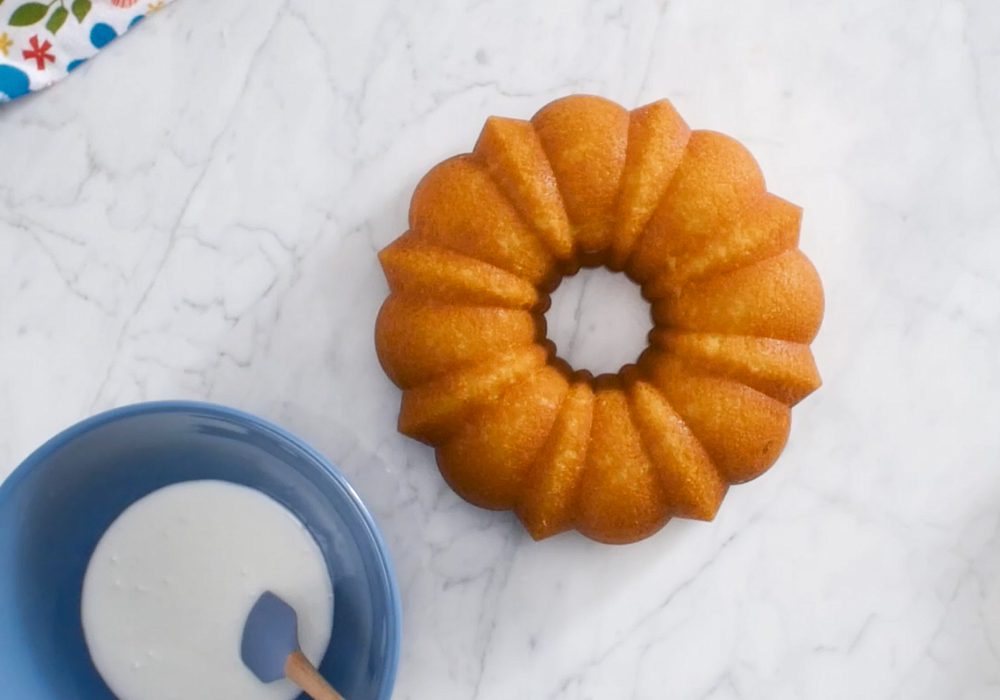
- Cool in pan on a wire rack for 10 minutes. Invert cake onto a wire rack and cool completely.
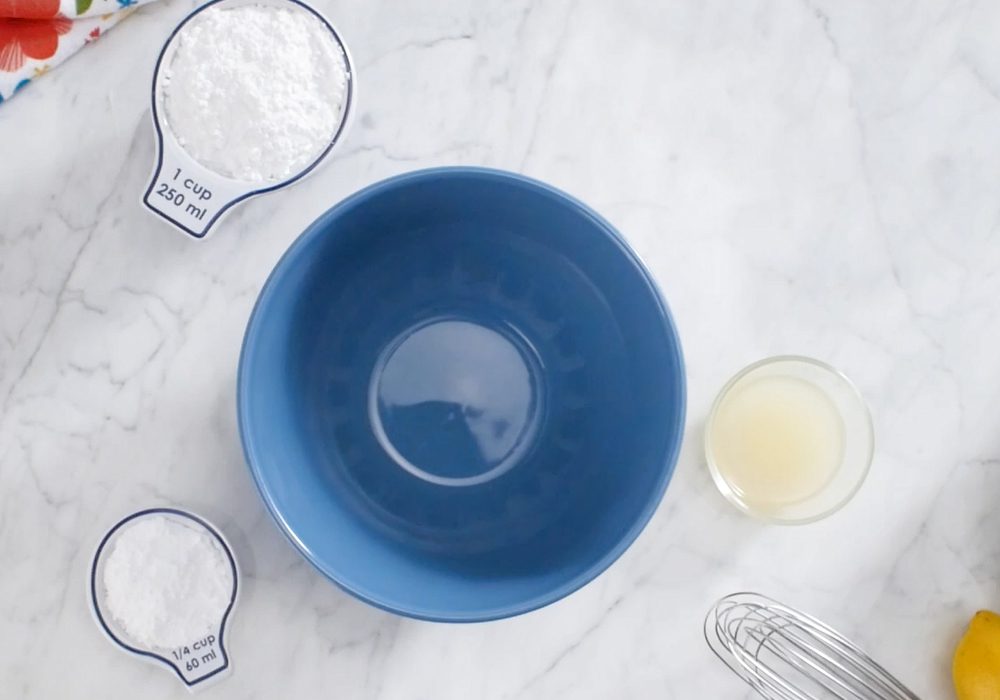
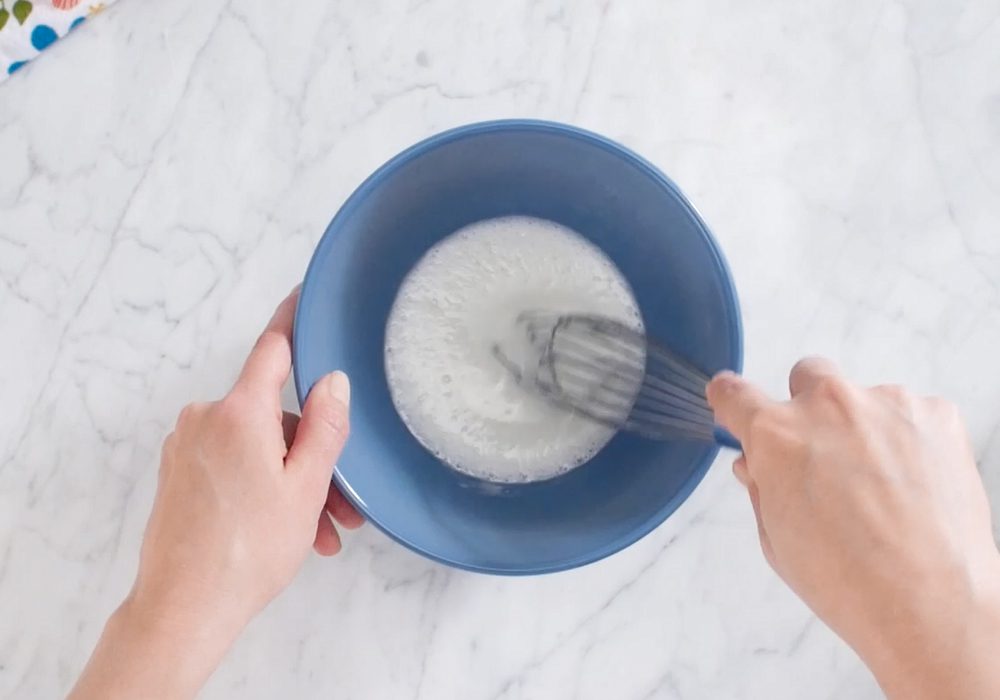
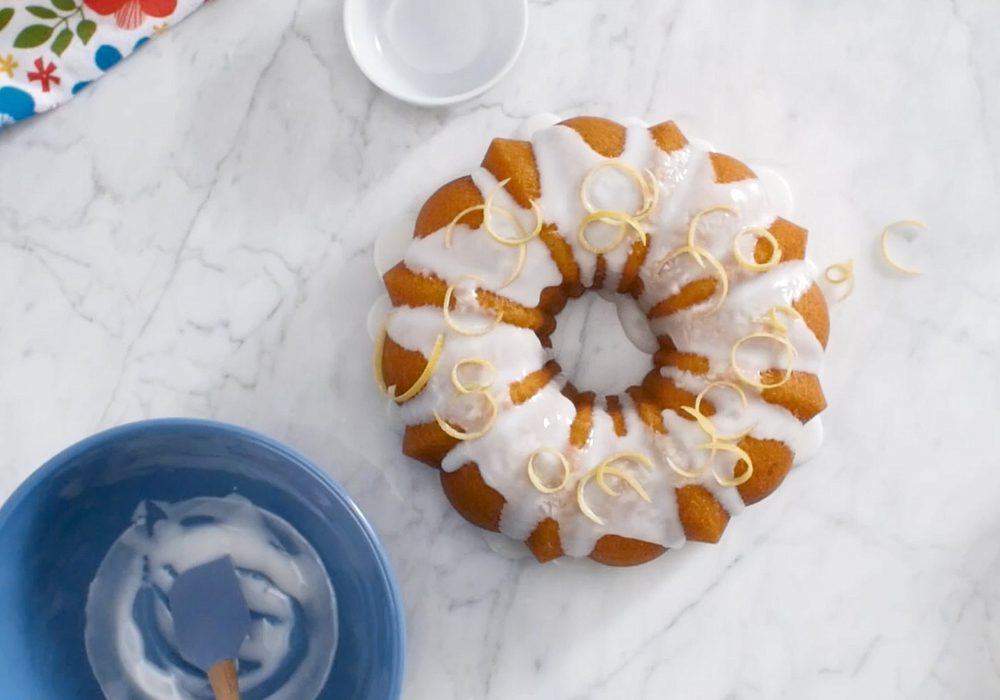
- Meanwhile, whisk 2 tablespoons lemon juice and powdered sugar. Drizzle over cake. Let stand until set.